

.avif)


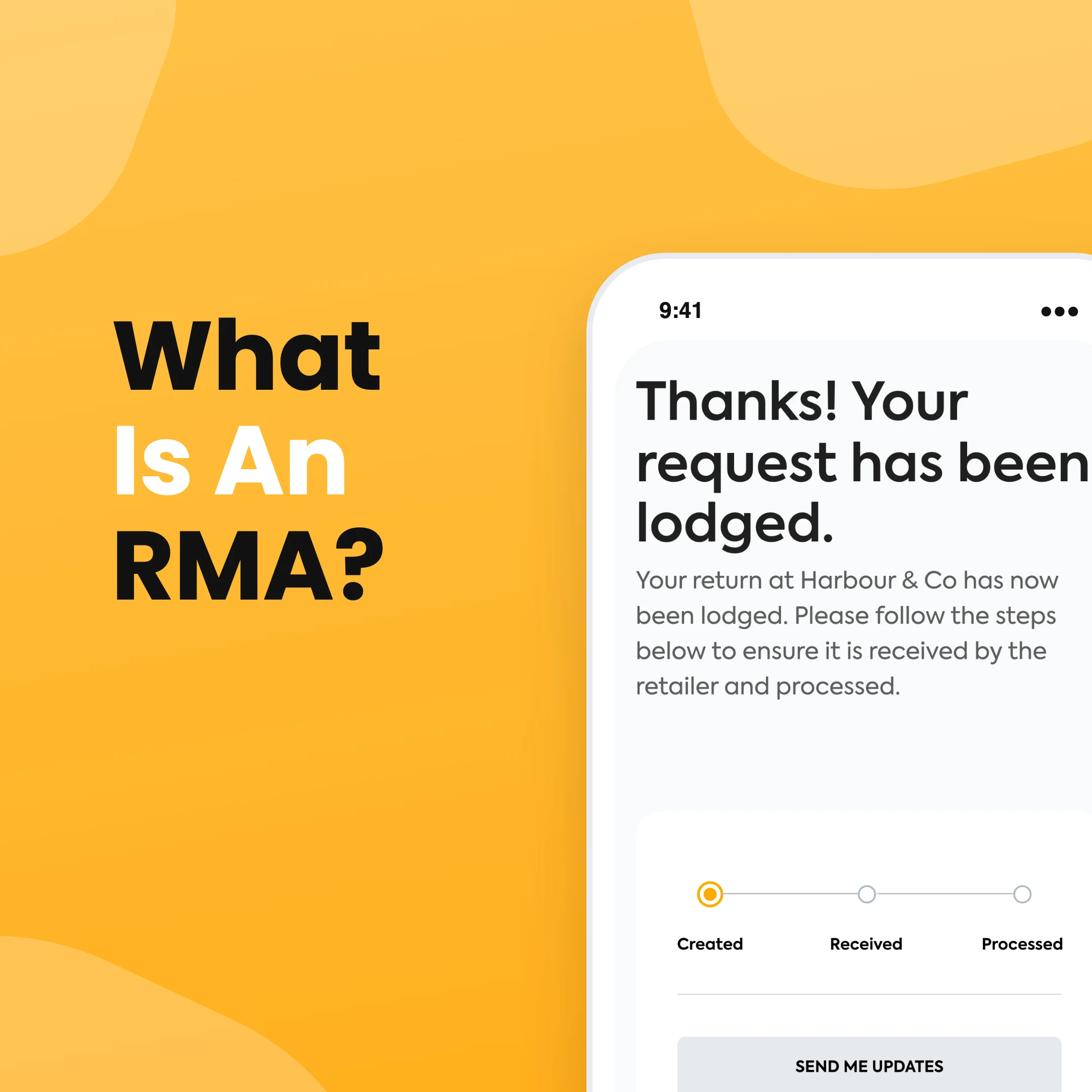


If you run an online store, you've probably seen the letters RMA on a returns form, in your warehouse system or in a support email. RMA stands for return merchandise authorization. It's the point where a store agrees to take something back and gives that return a reference number, before the customer sends anything.
Most of the confusion around RMAs comes from people using the term loosely, so it's worth pinning down what it is, what the number is for and where it fits in your returns process. We'll use the way Refundid handles returns as a worked example.
What does RMA mean?
An RMA, or return merchandise authorization, is a store's approval for a customer to send an item back. In Australia and the UK it's usually spelt authorisation. Some businesses call it a return authorization, an RA or just a return request. Whatever the name, it means the customer asked to return something and the store said yes.
The authorization is what makes it useful. Without one, a return is a parcel that turns up at your warehouse with no paperwork, and someone has to figure out who sent it, which order it came from and what the customer wants back. With an RMA, that's all agreed before the parcel leaves the customer's house.
You'll also see RMA used outside retail. If you searched for it after a graphics card or motherboard died, that's the same idea in a warranty setting. You ask the manufacturer for an RMA, they approve it, and you send the faulty part to them for repair or replacement. This article is about RMAs for ecommerce stores, but the mechanics are much the same.
What is an RMA number?
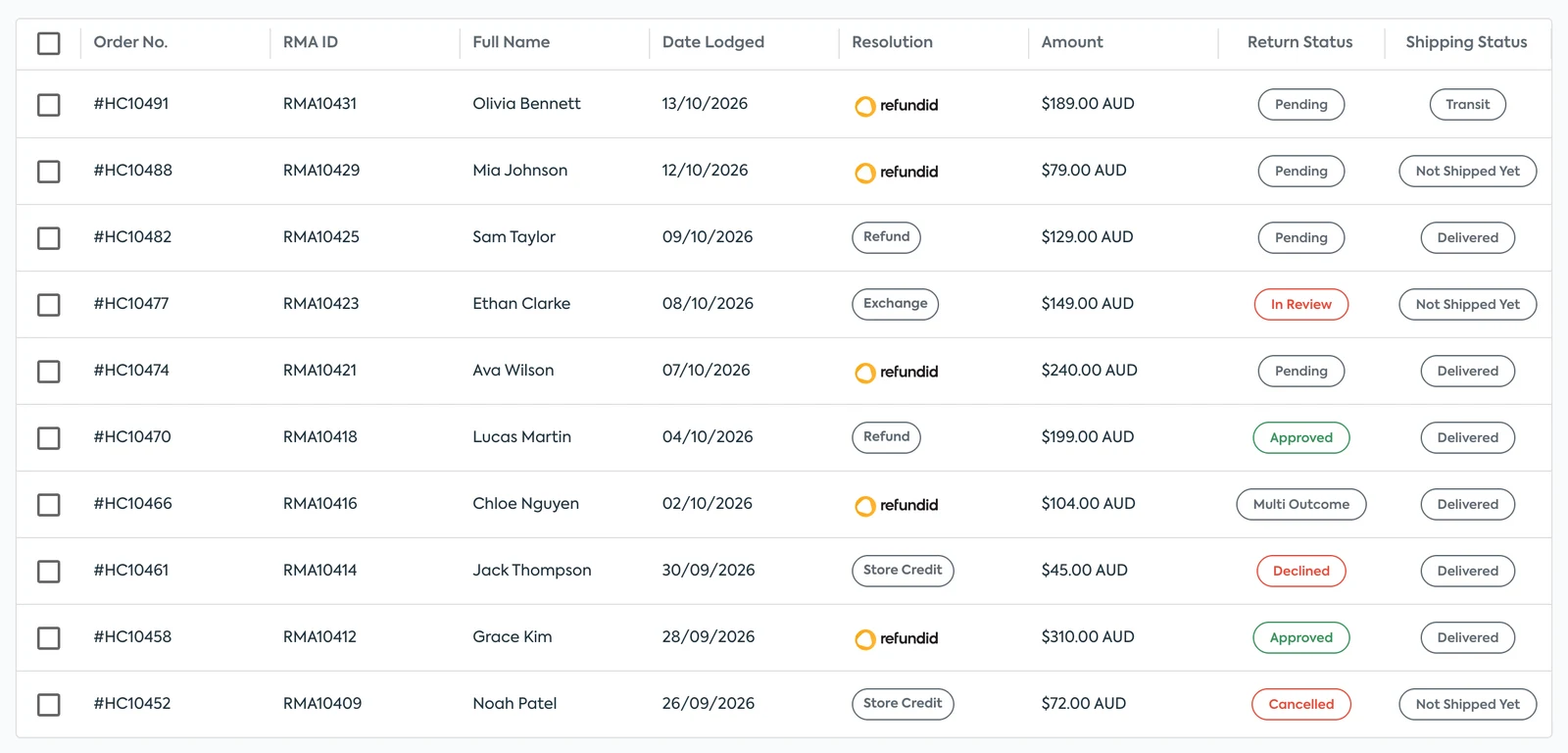
An RMA number is the unique reference for one return. It links the items being sent back to the original order, the customer, the return reason and the outcome that was agreed. It's what the customer quotes when they get in touch, and it's how your warehouse matches a parcel to the right return when it arrives.
It isn't the same as the order number. One order can have more than one return, say if a customer sends one item back in the first week and another a couple of weeks later. Each of those gets its own RMA number, and both point back to the same order.
The format is up to you or your returns software. In Refundid every return gets a reference like RMA10425, which shows up in the merchant portal, in the customer's emails and in the API. If your ecommerce platform also creates its own return record, Refundid keeps that reference against the return as well, so you can find it from either side.
The RMA process, step by step
Every store does this a little differently, but most RMA processes follow roughly the same steps.
- The customer asks to return something. They find their order, pick the items and choose a return reason, ideally in a returns portal rather than over email.
- The store checks the request against its returns policy. Is it inside the return window? Was the item final sale? Does the reason need a closer look, like a faulty item?
- The return is approved and gets an RMA number. If someone needs to look at it first, it waits in review until they do.
- The customer gets instructions for sending it back. That might be a prepaid return label, a QR code to show at a drop-off point, or directions to bring it into a store.
- The item travels back. With a tracked label, you and the customer can both see where it is.
- The warehouse receives and inspects it. They match the parcel to the RMA, check its condition and decide what happens to the stock, like putting it back on sale or writing it off.
- The return is resolved. The customer gets their refund, store credit or exchange, or the return is declined if the item doesn't meet the policy.
- The RMA is closed. The outcome and the reason behind it stay on record for reporting.
Instant refunds swap a couple of those steps around. The customer is refunded when the return is lodged instead of after it's inspected, and the inspection still happens once the item arrives.
RMA vs return label
People sometimes use the two interchangeably, but they're different things. The RMA is the approval and the record of the return: what's coming back, why, and what the customer gets for it. The return label is one way of getting the parcel to you.
A return can have an RMA without a label. A customer might drop the item off at one of your stores, or you might tell them to keep a low-value item and refund them anyway. A label on its own doesn't tell your warehouse much. Without an RMA behind it, it's a tracking number on a box.
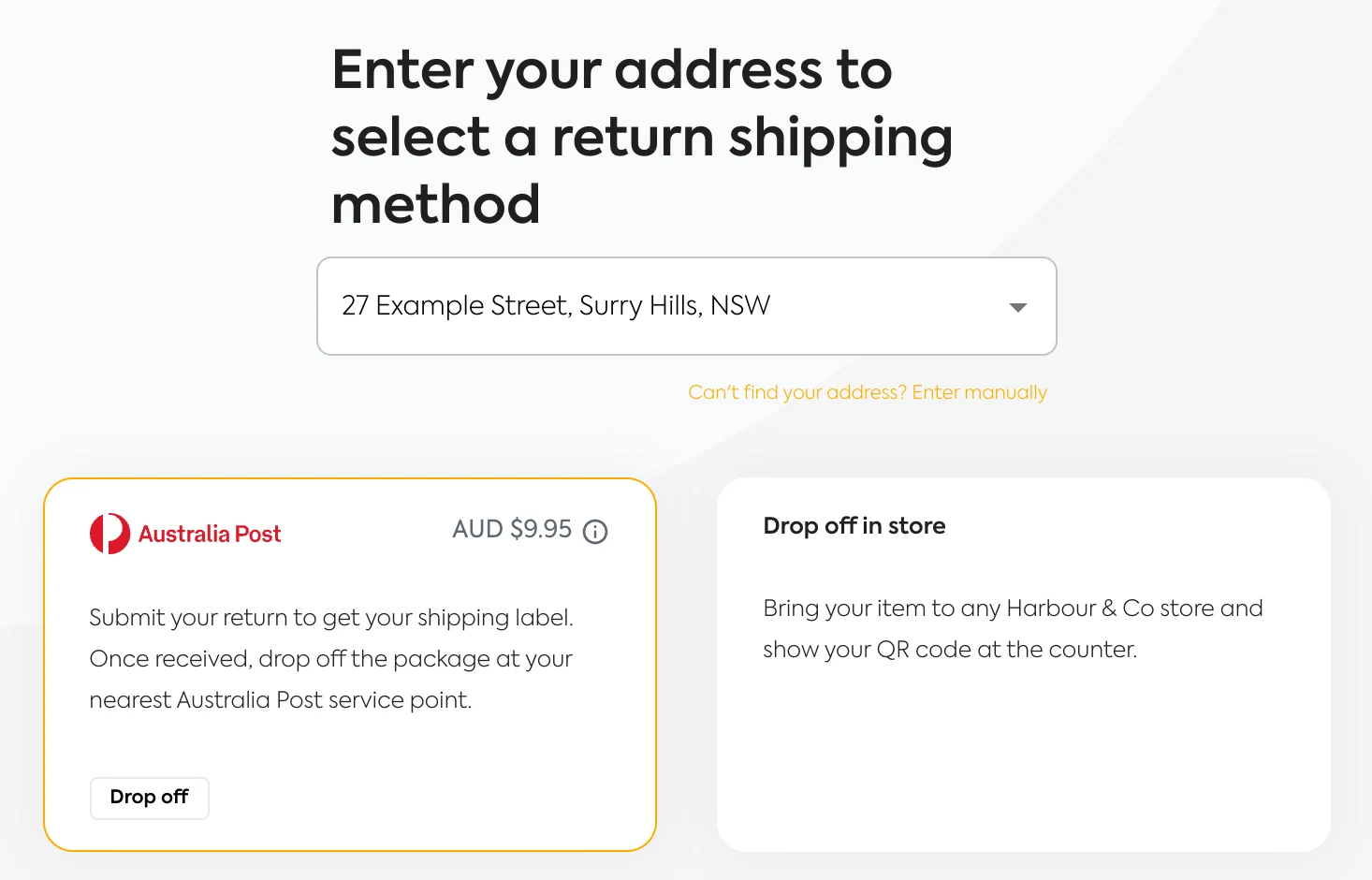
In practice the two usually get created together. The customer lodges a return, it's approved, and the label or drop-off instructions come from that RMA.
When should you require an RMA?
We'd require one for every return that comes back by post. It's the only way to know what's on its way before it arrives, and it means the eligibility check happens before anyone pays for postage, rather than once the parcel is already sitting in your warehouse.
It matters most when:
- you have rules about what can come back, like final sale items, hygiene products or a strict return window
- you offer refunds, store credit and exchanges, and need to know which one the customer picked
- you pay for return shipping and don't want labels going out for returns you'd reject anyway
- your warehouse or 3PL handles enough returns that it needs a reference to match each parcel to
- you want to report on why things come back, which only works if every return has a reason attached
A full RMA can feel like overkill in a few cases. A customer bringing something back to your store can usually be sorted out at the counter, and a very cheap item might not be worth shipping back at all. It's still worth recording those returns the same way, so they show up in your reporting and your stock stays accurate. In Refundid, in-store drop-offs and keep-item returns are still RMAs, just with a different return method.
How a returns portal automates RMAs
Doing RMAs by hand usually means a support inbox, a spreadsheet and someone copying details between the two. The customer emails, someone looks up the order, replies with an RMA number and a label, and then has to keep an eye out for the parcel. That's manageable at a handful of returns a week and gets painful quickly after that.
A returns portal hands the request and the policy check to the customer. They find their order themselves, pick the items and a reason, and your rules decide on the spot what they can do. If the return is fine, the RMA is created straight away with the label or drop-off instructions attached. If it isn't, the customer finds out why before anything gets posted.
In Refundid, each return a customer lodges is one RMA. Your return window, return reasons and any return rules you've set up are checked as they go, so ineligible items can be blocked and certain returns can be sent to manual review. You might put faulty returns in review, for example, so your team can check them before a free label goes out. We've written more about using return reasons and follow-up questions this way.
After that, the RMA goes one of two ways.
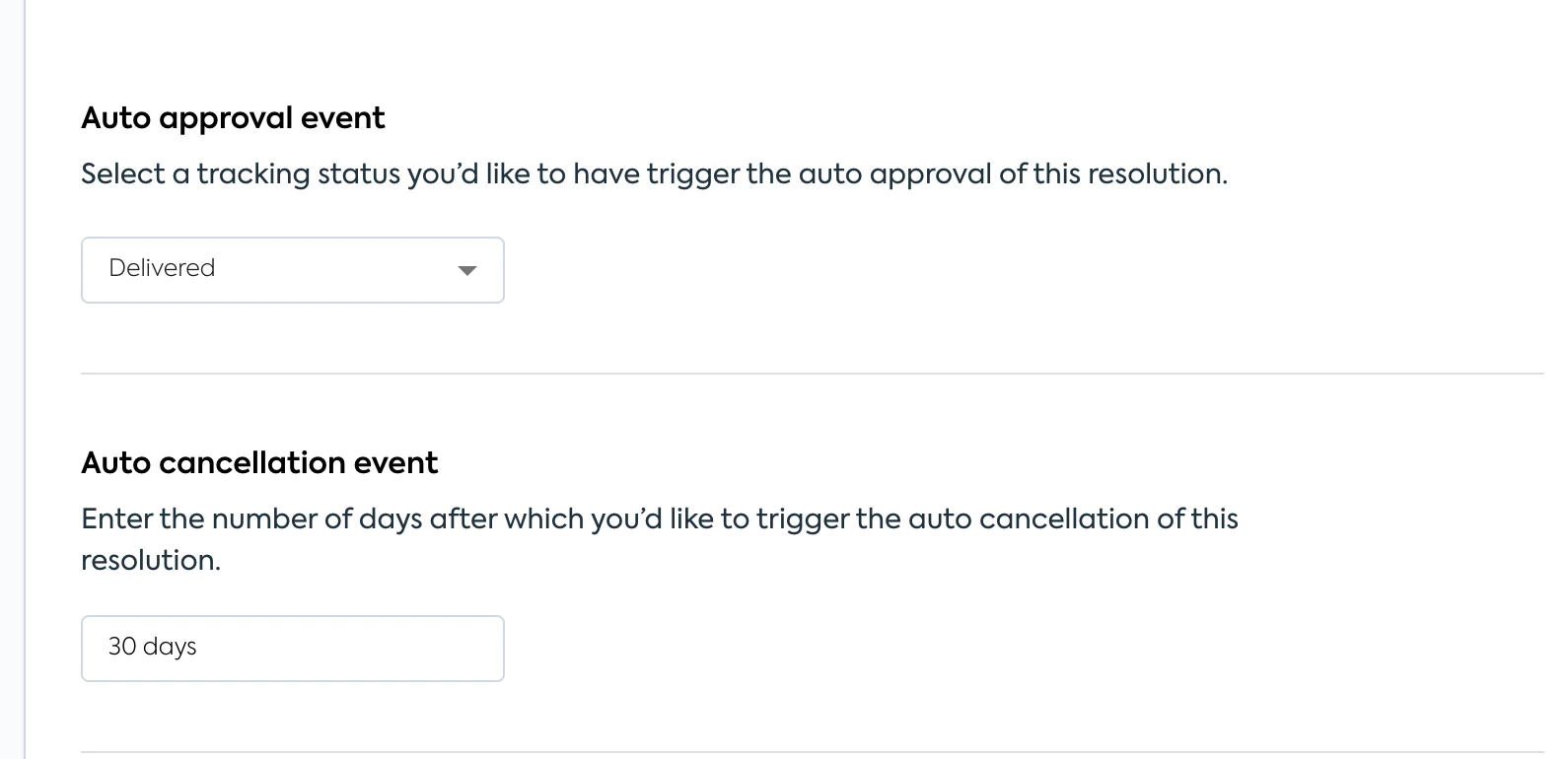
A standard return follows the traditional order. The customer sends the item back first, and the refund, store credit or exchange happens once you process the return. You can process returns by hand from the dashboard, or have them approved automatically once the tracking reaches a status you pick, such as delivered. Returns that are lodged but never sent can be cancelled automatically after a number of days you choose.
An instant refund flips that order. Eligible customers are refunded as soon as the return is lodged, then send the item back as normal. Refundid advances the money and reconciles with you once the item has been received and processed. Not every return qualifies, and a customer who isn't offered an instant refund can still lodge a standard return.
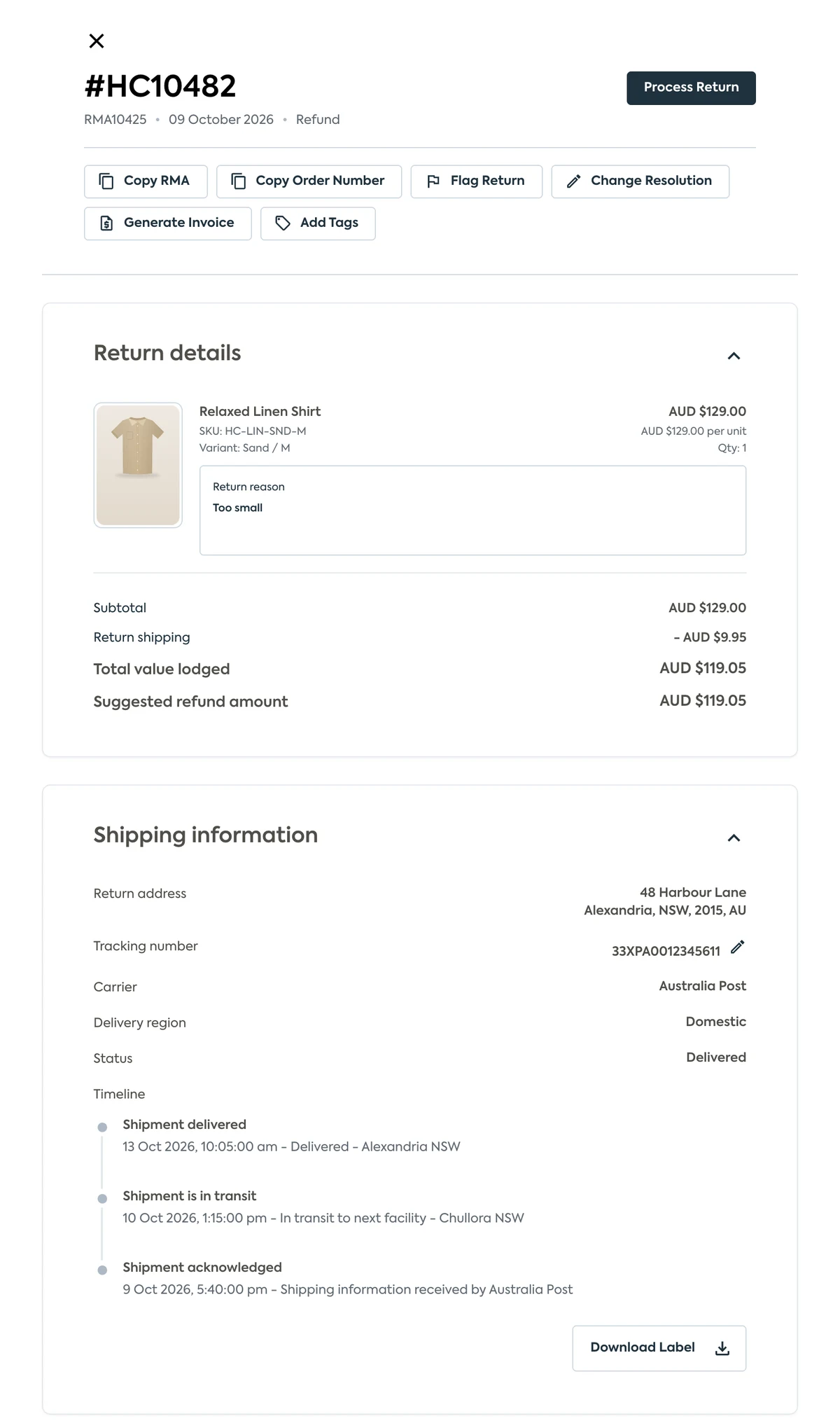
Either way, the RMA number, return method, tracking and outcome all sit on one record, so your support team and your warehouse are looking at the same return. The customer gets emails as it moves along, and every return lands in the same reports.
Setting up RMAs for your store
If you're still issuing RMA numbers by email, the first win is moving the request into a portal so customers can start returns themselves. Write your returns policy into the portal's rules rather than leaving it for your support team to apply case by case, and the rest of the process gets a lot quieter.
If you'd like to see how RMAs work in Refundid, book a demo and we'll walk you through it.
RMA FAQ
What does RMA stand for?
RMA stands for return merchandise authorization, or authorisation outside the US. It's a store's approval for a customer to send an item back, along with a reference number for that return.
Is an RMA number the same as an order number?
No. The order number identifies the purchase, and the RMA number identifies one return from that purchase. An order with two separate returns will have two RMA numbers.
Is a return authorization the same as an RMA?
Yes. Return authorization, RA, return request and RMA all describe the same step. Different stores, platforms and warehouses just use different names for it.
How long does an RMA stay valid?
That's up to the store. Many set a deadline for the item to be sent after the RMA is issued, so old returns don't sit open forever. In Refundid you choose how many days a return can go unsent before it's cancelled, and you can email the customer a reminder before that happens.
What happens if a customer sends something back without an RMA?
It usually gets stuck. Someone has to work out who sent it and what they were expecting, which takes time and often turns into a few emails back and forth. That's why most stores ask customers to start every return in their returns portal first.
What does RMA mean for PC parts and electronics?
It means the same thing, but usually with a manufacturer instead of a store. If a component fails under warranty, you request an RMA from the manufacturer, ship the part to them and get it repaired or replaced.
Can a customer be refunded before the item is returned?
With some stores, yes. That's an instant refund. The customer is refunded when the return is lodged, and the item comes back afterwards.