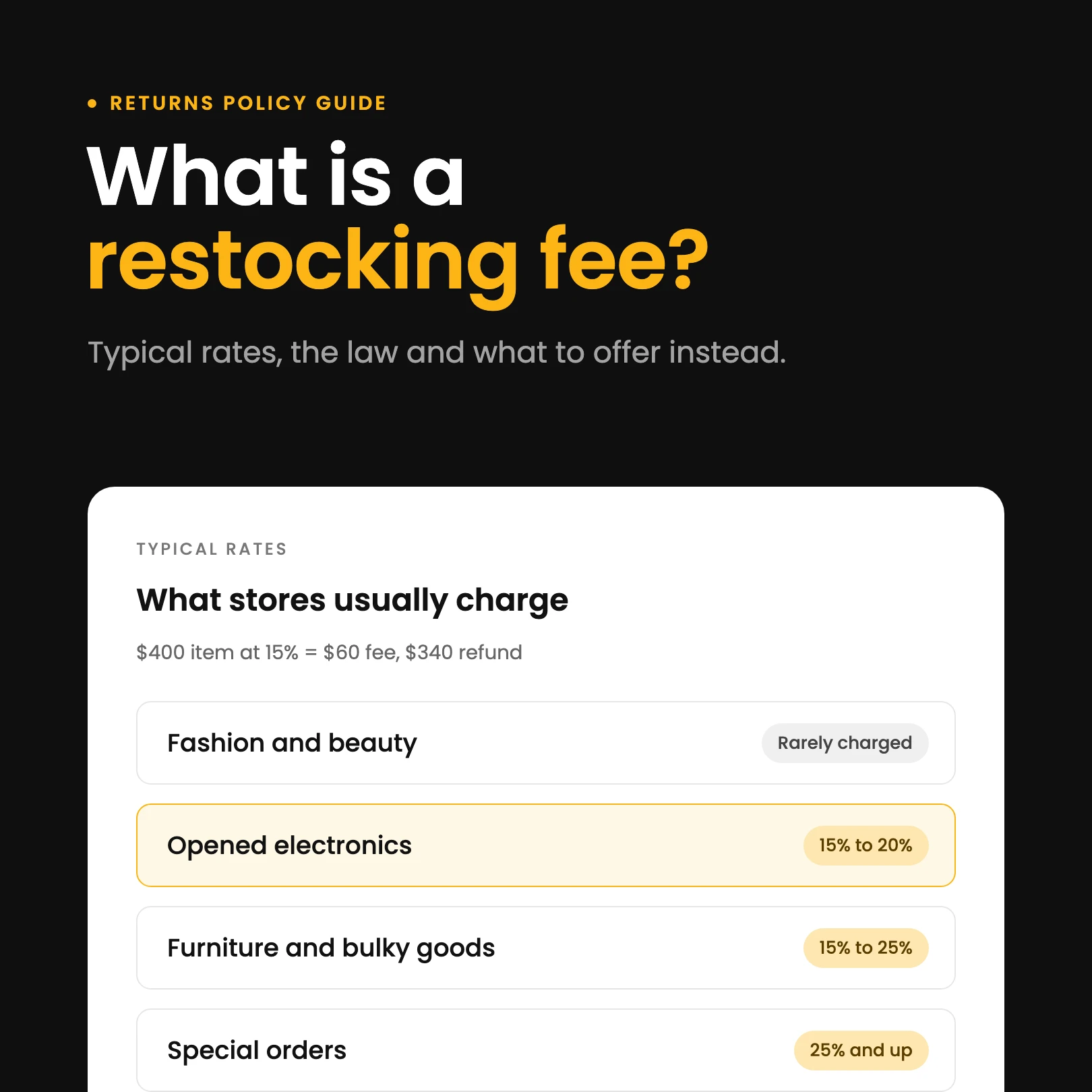
What is a restocking fee? Typical rates, the law and alternatives
A restocking fee is the part of a refund a store keeps on a return. See typical restocking fee percentages, US and Australian law, and alternatives.
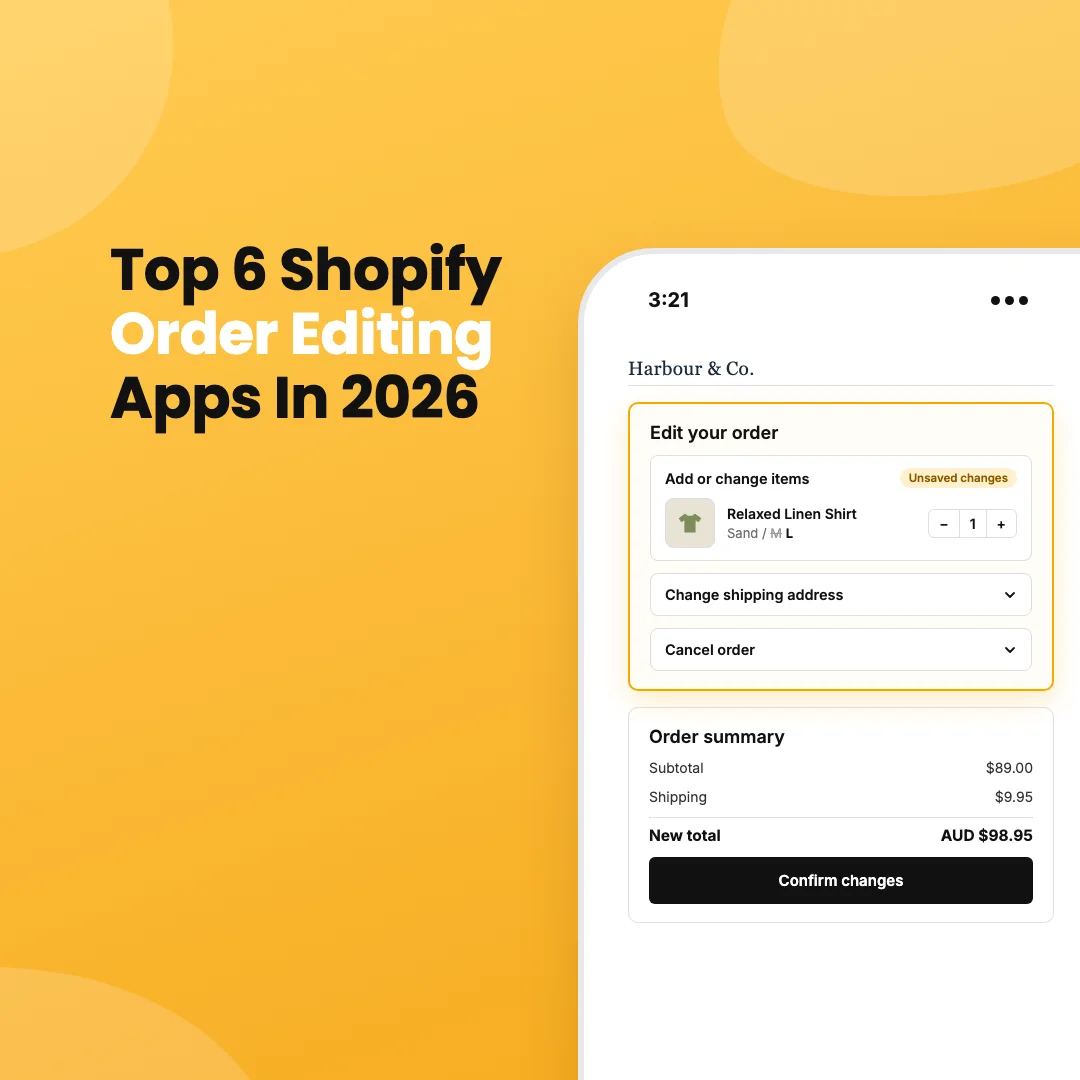
Top 6 Shopify Order Editing Apps in 2026
Compare the best Shopify order editing apps for 2026: pricing, features and which kind of store each one suits.
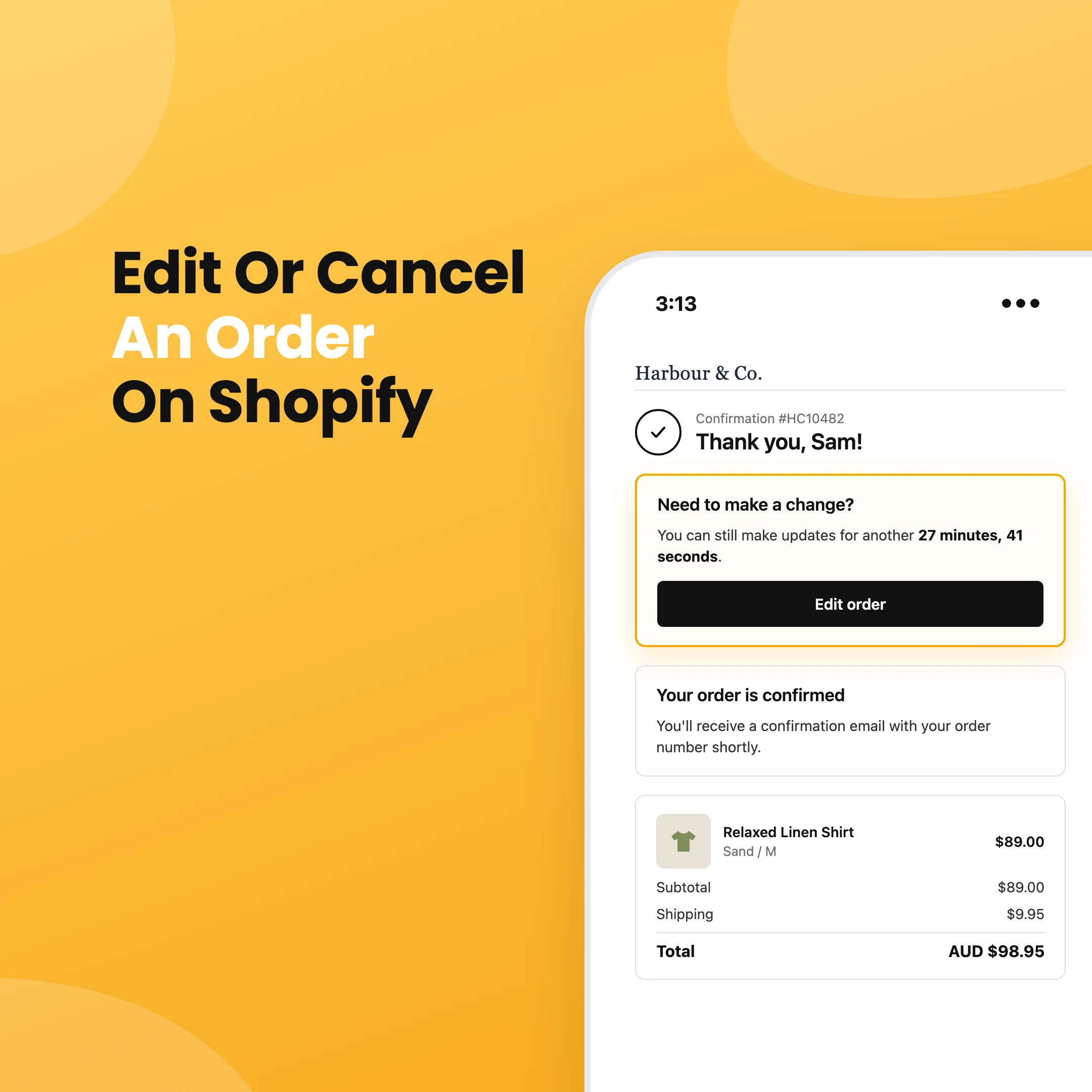
How to edit or cancel a Shopify order after it's placed
How to cancel an order on Shopify, edit the items or change the shipping address, what happens to the payment, and how customers can make changes themselves.
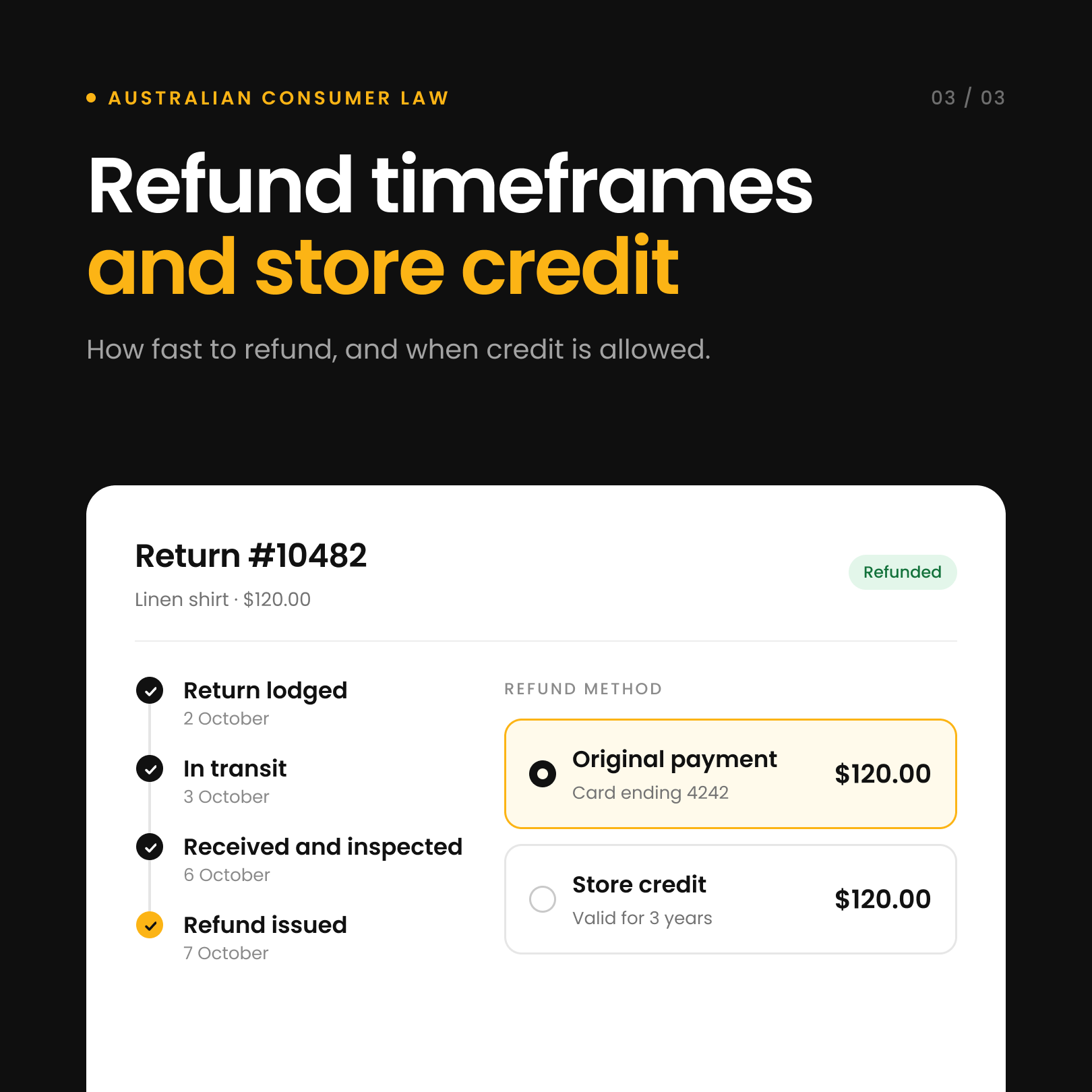
Refund timeframes and store credit under Australian Consumer Law
How long Australian retailers have to process a refund, when store credit can replace it, and how long credit should last under Australian Consumer Law.

Faulty vs change of mind returns: what Australian retailers must do
When a product is faulty, Australian Consumer Law sets the remedy, not your returns policy. How major and minor failures work, and when to repair, replace or refund.
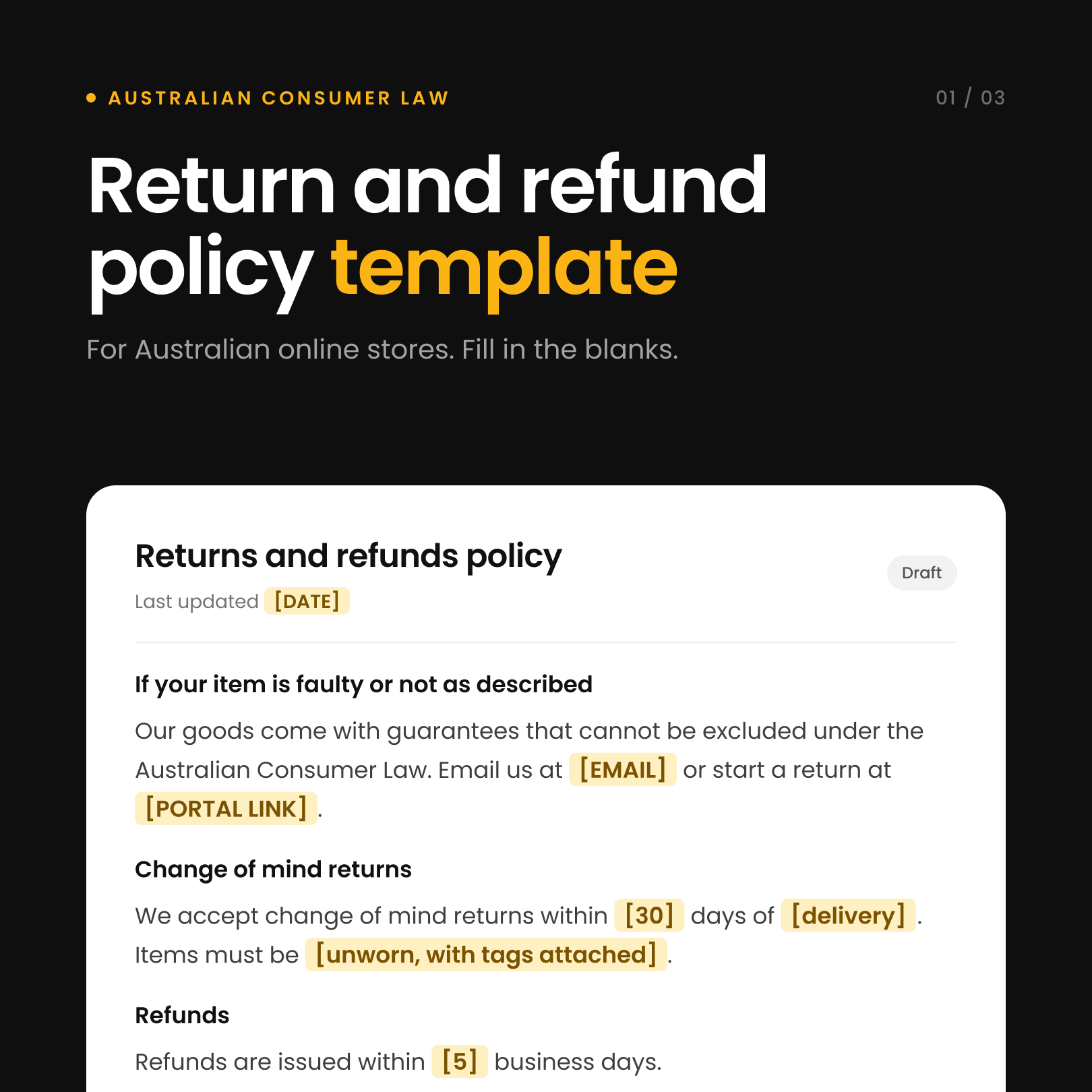
Return and refund policy template for Australian online stores
A fill-in-the-blanks return and refund policy template for Australian online retailers, with notes on what Australian Consumer Law lets you say and what it doesn't.
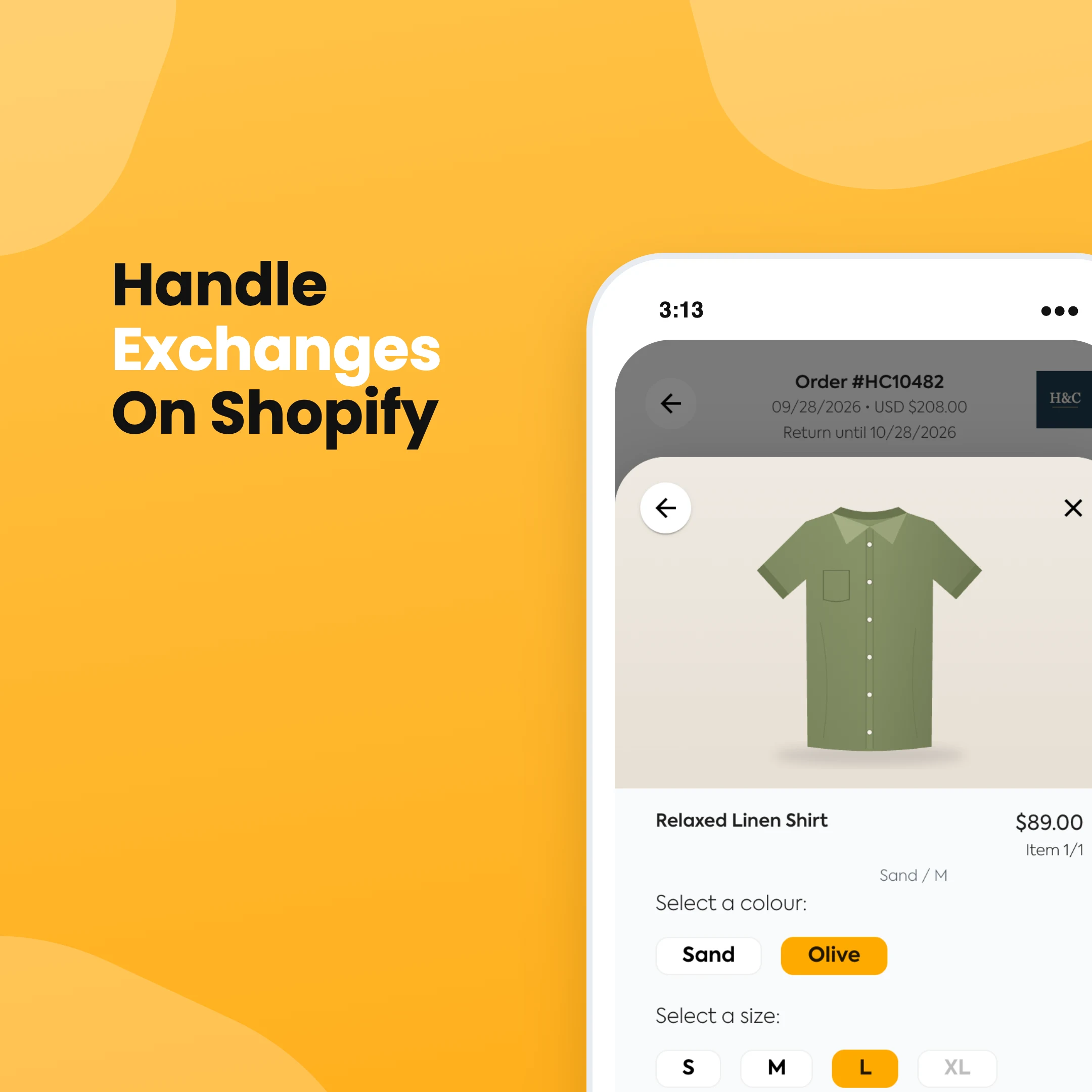
Shopify exchanges: how to create and process an exchange
How to create and process an exchange in the Shopify admin, how price differences work, and the limits of Shopify's native exchanges.
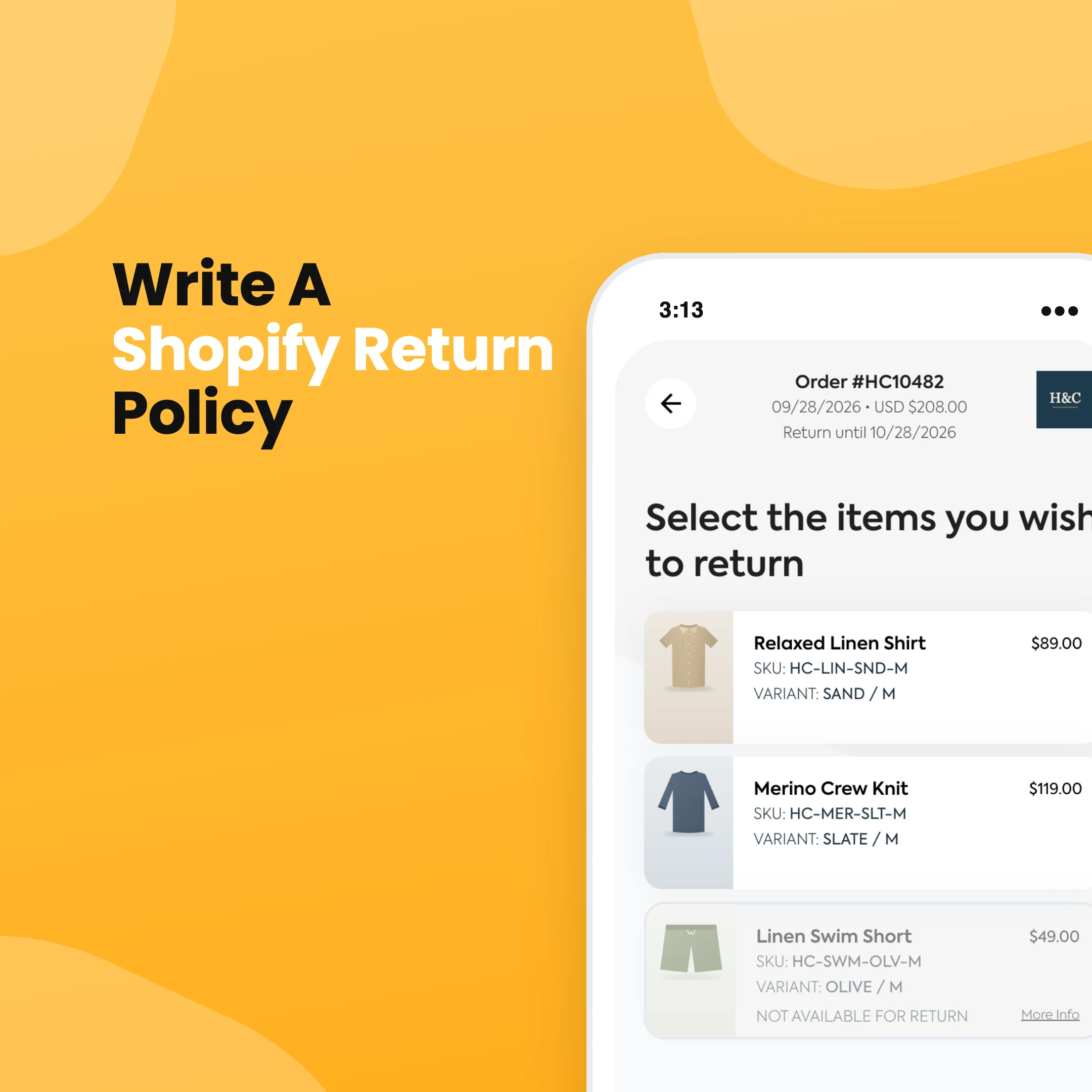
How to write a Shopify return policy (with template)
What to put in your Shopify return policy, a template you can copy, and where to add it in Shopify so your written policy and return rules match.
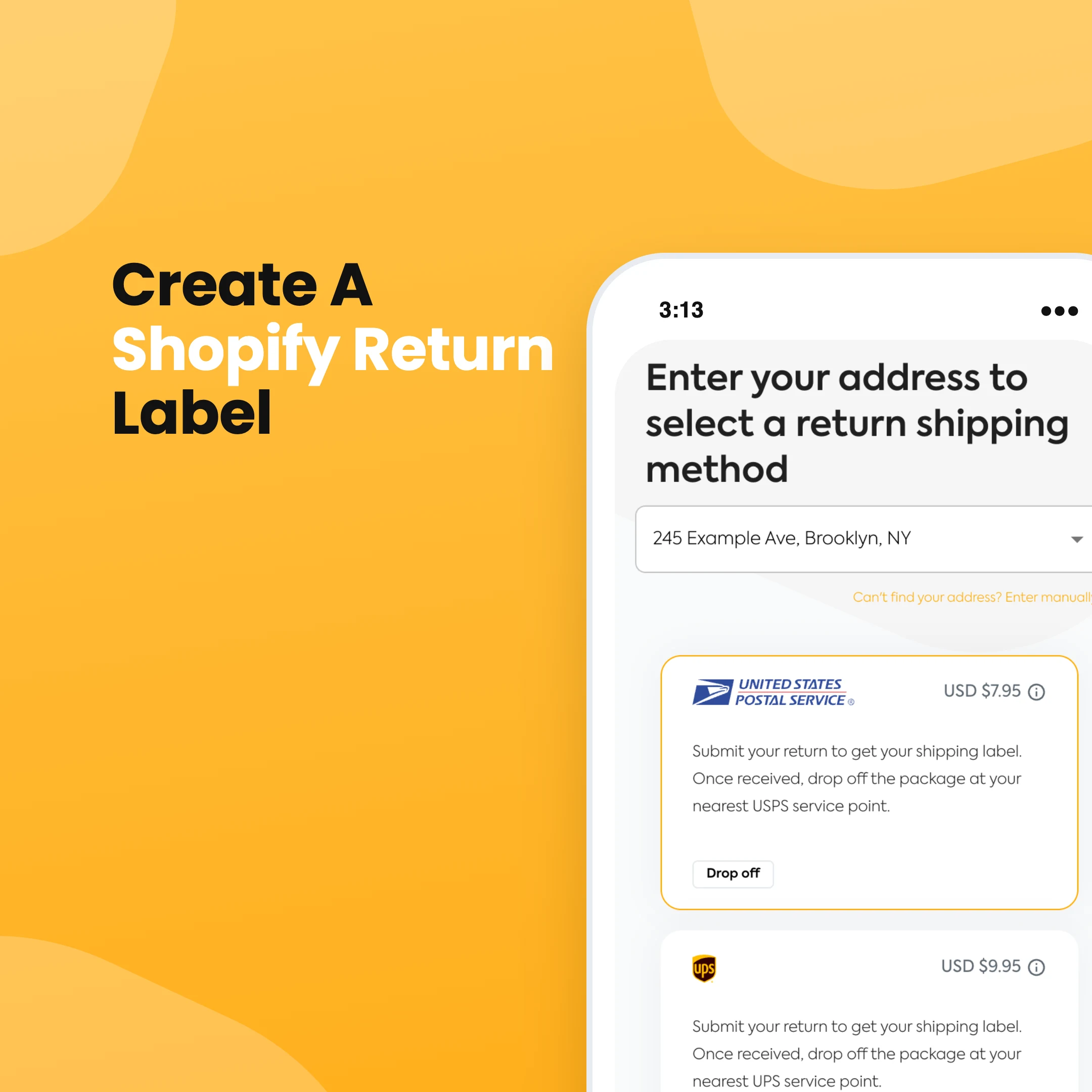
How to create a Shopify return label, step by step
How to create a return label in Shopify, how to attach your own label when Shopify can't make one, and how to decide who pays for return shipping.
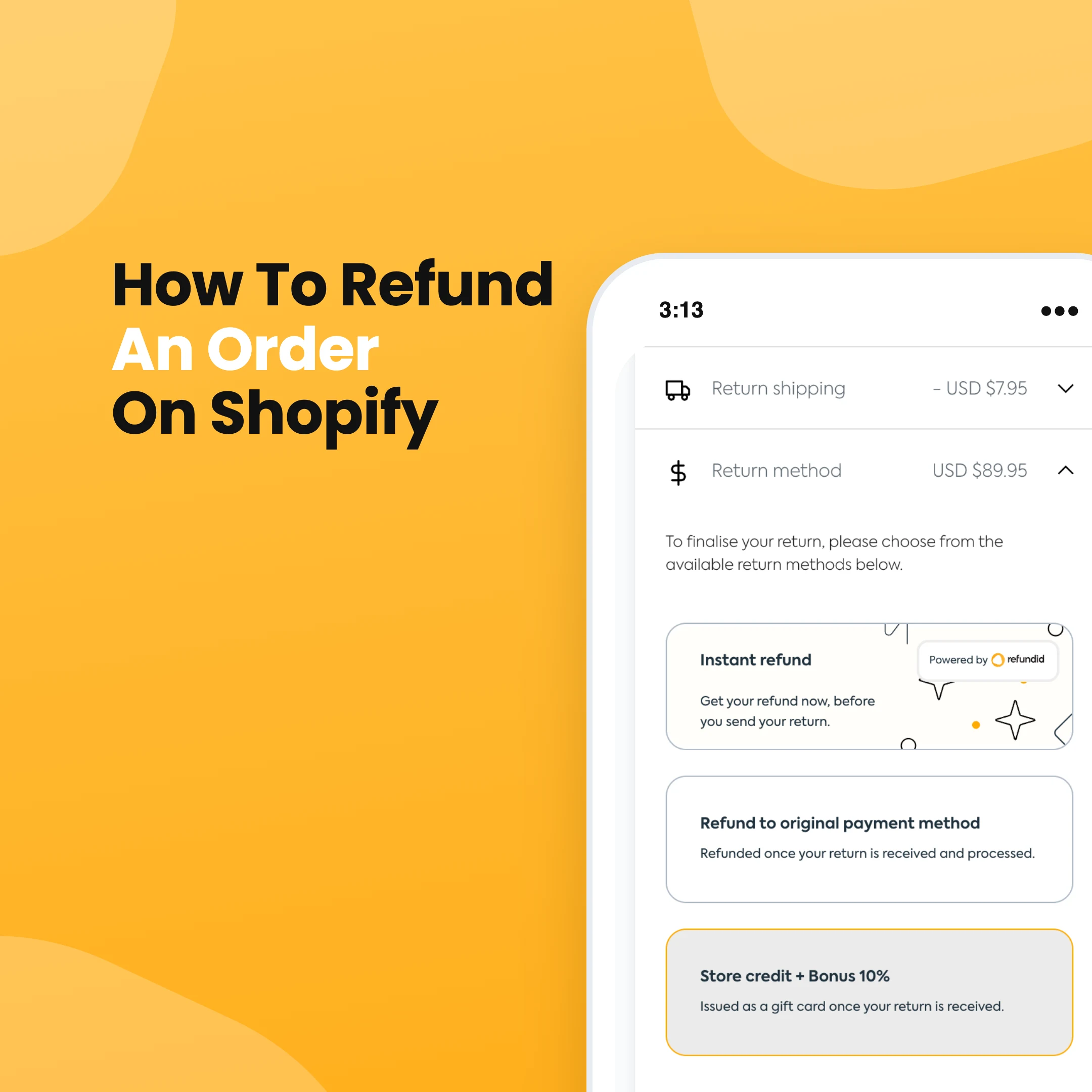
Shopify refund: how to issue a full or partial refund
How to issue a full or partial refund on Shopify, refund shipping, or refund to store credit, plus the refund mistakes Shopify won't let you undo.
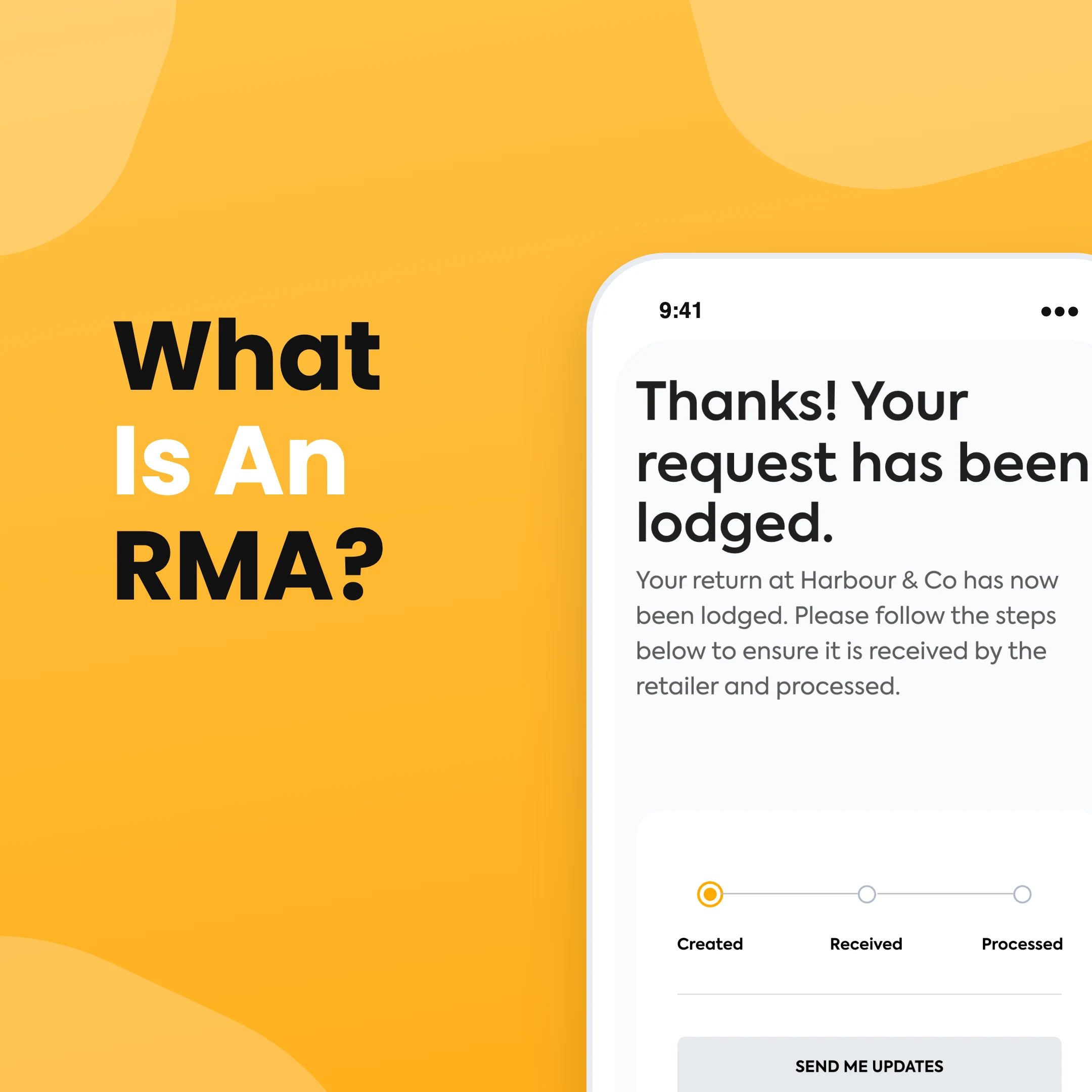
RMA meaning: what is an RMA and what is an RMA number?
RMA means return merchandise authorization. Learn what an RMA number is, how the RMA process works step by step, and when your store should require one.
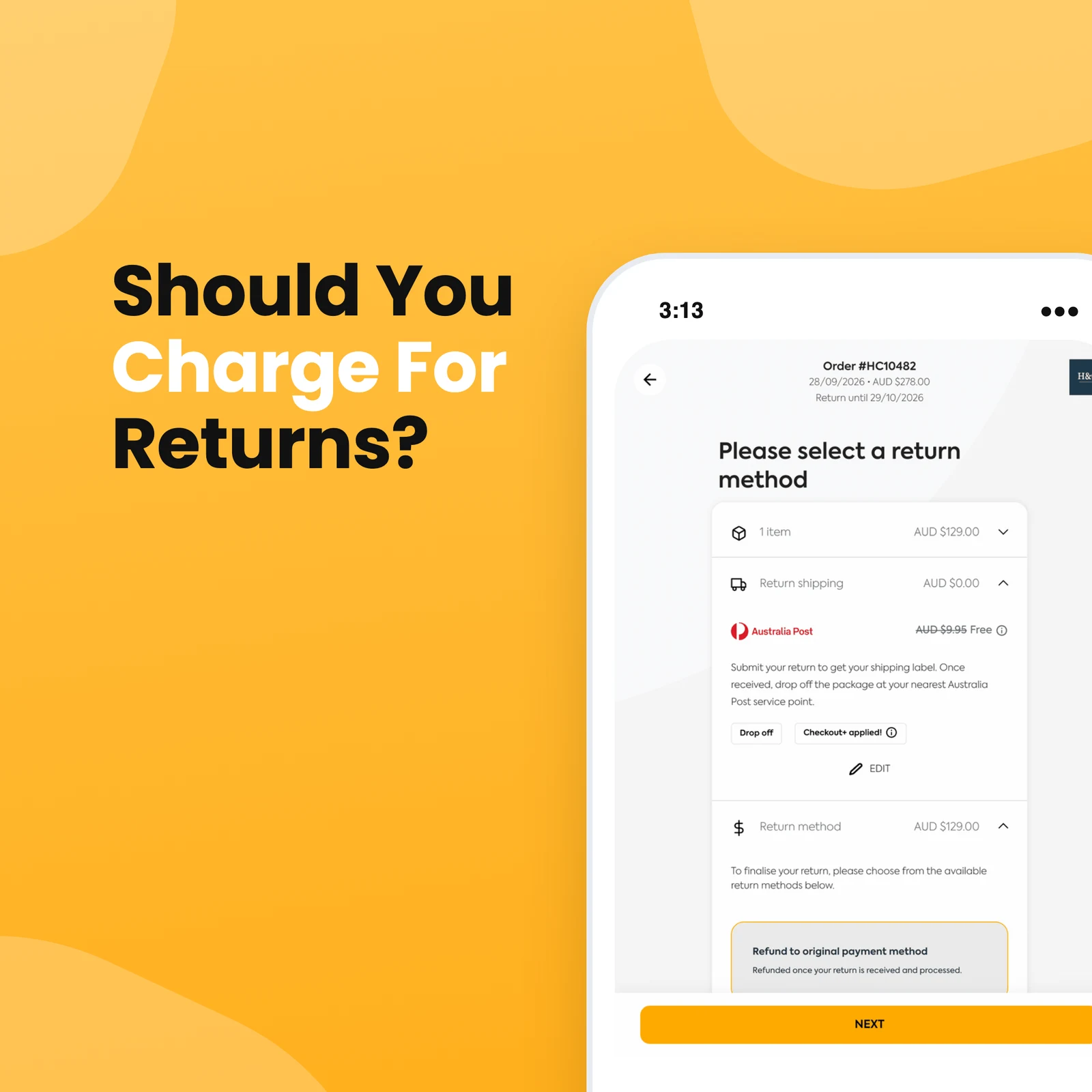
Free returns vs return fees: should you charge for returns?
Free returns or a return fee? How free returns, flat return fees, label deductions and restocking fees affect conversion and margin, and what the law allows.
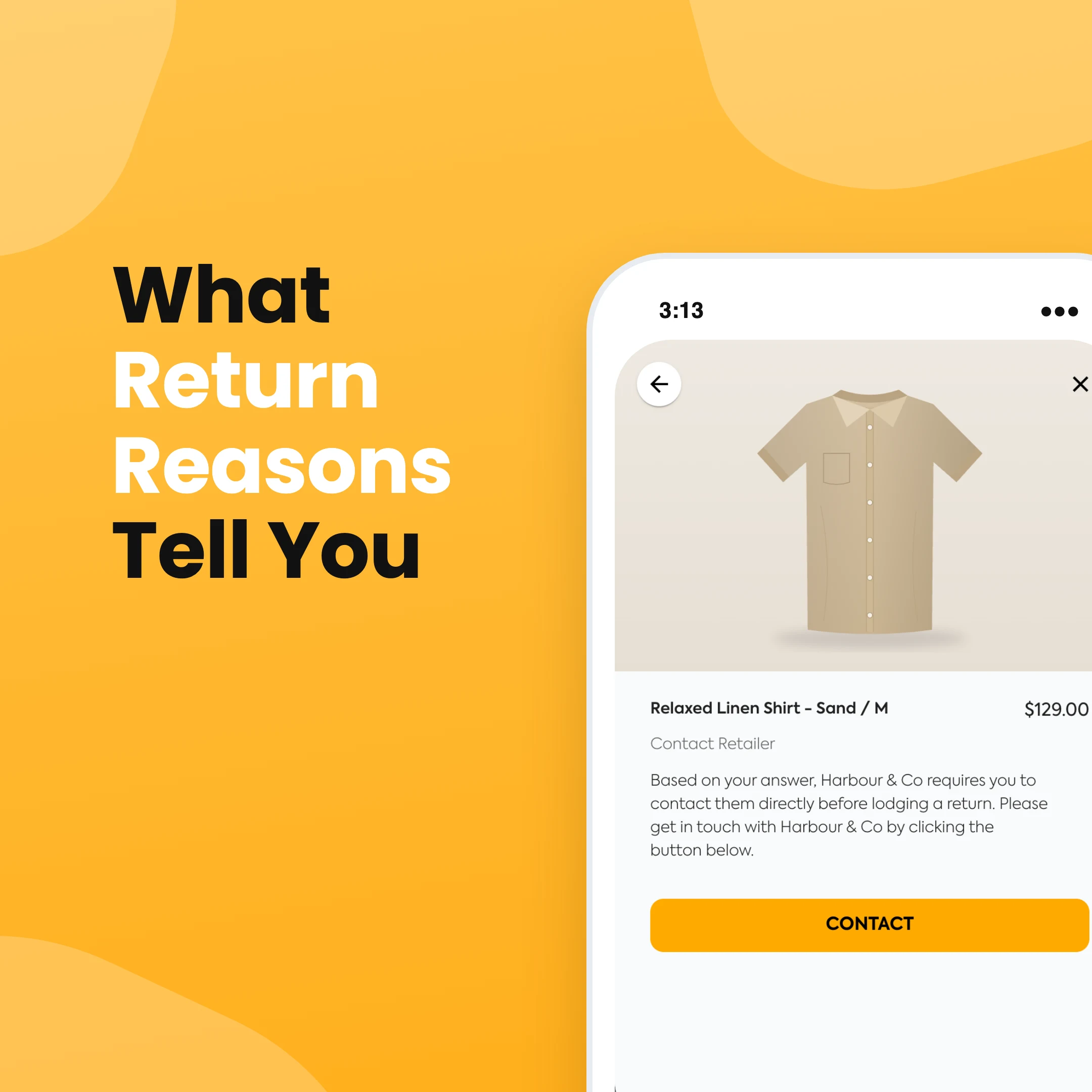
Return reasons: what they tell you and how to block returns you don't accept
Learn what the most common return reasons tell you about sizing, listings and packaging, and how to block returns you don't accept before they are lodged.
Loop Returns Pricing 2026: Plans, Costs & Fees
Compare Loop Returns plans, Tracking prices, annual contracts and costs to check before signing. Includes an Australian retailer budgeting guide.

Redo Pricing: Plans, Add-Ons & Costs in 2026
Understand Redo’s free returns plan, paid add-ons and shopper coverage. Compare published rates and model monthly costs at three order volumes.

Ecommerce Return Policy for Footwear Brands in 2026
Writing an Ecommerce Return Policy for Footwear Brands

Best Returns Management Platforms for Female Fashion Brands (2026)
Compare five returns platforms for women's fashion brands, covering instant refunds, exchanges, branded portals and the businesses each suits.

Bridal Return Policy Examples: What Bridal Brands Actually Offer
How Australian bridal brands handle returns, covering Australian Consumer Law, made-to-order gowns (Grace Loves Lace) and ready-to-wear (Shona Joy, Aje, Bec + Bridge), with timeframes, fees, final-sale rules and Refundid instant refunds.

What Return Policy Do Fashion Brands Have? A Benchmark for Retailers
Australian Consumer Law sets the refund baseline, then compares how Princess Polly, DISSH and Peppermayo handle timeframes, refunds, exchanges, sale items and return shipping, with Refundid enabling instant refunds and exchanges.
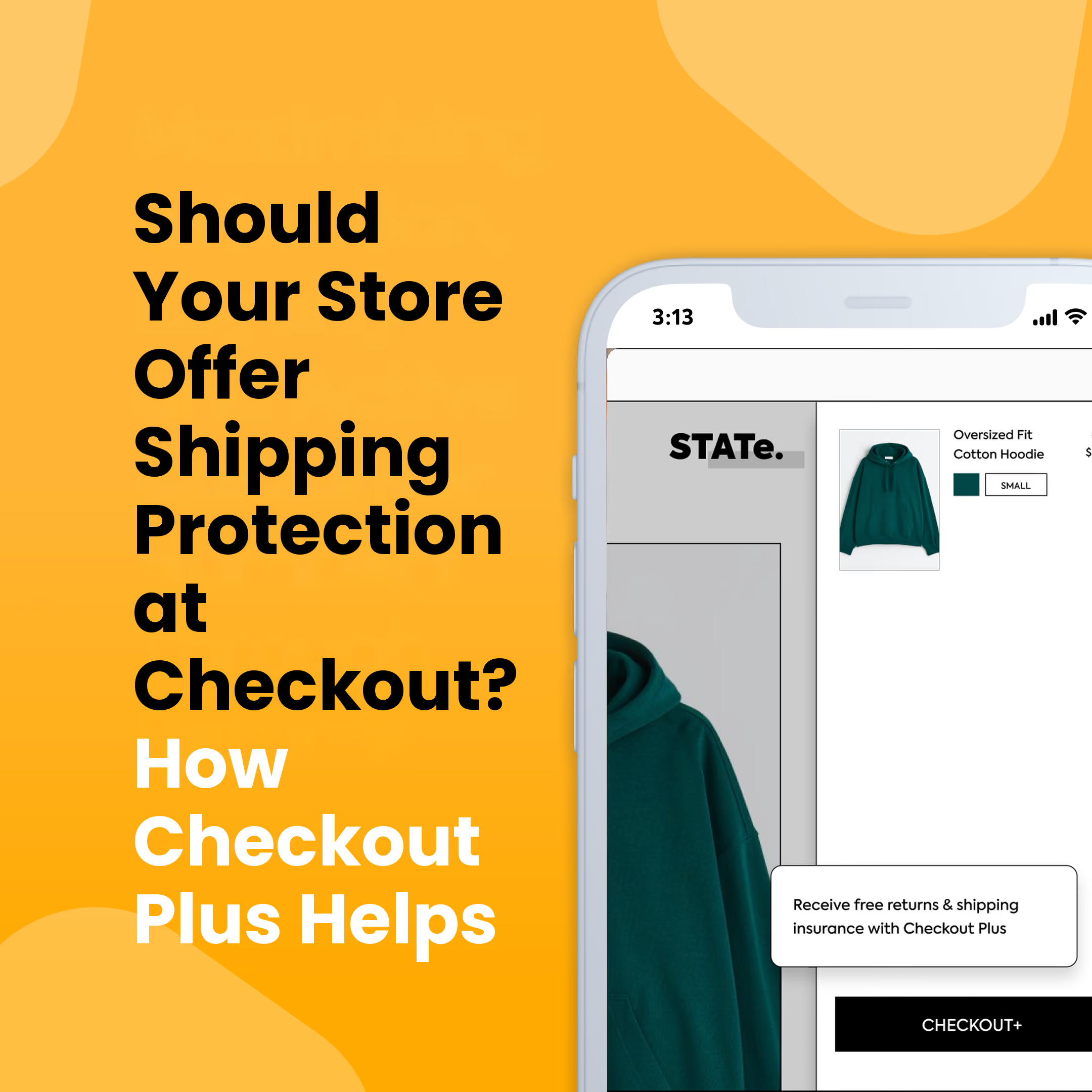
Should Your Store Offer Shipping Protection at Checkout? How Checkout Plus Helps
Guide to checkout shipping protection: how it works, retailer-funded vs customer-funded models, the true cost of delivery issues, and how Checkout Plus adds cover plus free returns at no cost to retailers.
Returns Management Process: How to Build a Workflow That Protects Margin
Returns management workflow guide: set clear rules for approvals, refunds, exchanges and store credit, standardise submissions, inspect returned stock, and track metrics to cut manual work and protect margin as volumes grow.
How Refundid Manages Risk and Fraud
How Refundid Manages Risk and Fraud

Loop Returns Alternatives: 5 Options Compared for 2026
Compare five Loop Returns alternatives for 2026: Refundid, ReturnGO, AfterShip Returns, Redo and Narvar, with pricing, platforms and who each one suits.

Top 5 Redo Alternatives for Ecommerce Returns in 2026
Compare five Redo alternatives for 2026: Refundid, ReturnGO, Narvar, AfterShip Returns and Loop Returns, with pricing, platforms and who each one suits.

Top 5 Aftership Alternatives for Ecommerce Returns in 2026
Compare five AfterShip alternatives for 2026: Refundid, Narvar, Redo, ReturnGO and Loop Returns, with pricing, platforms and who each one suits.
Top 5 Narvar Alternatives For Ecommerce Returns In 2026
Compare five Narvar alternatives for 2026: Refundid, AfterShip Returns, ReturnGO, Redo and Loop Returns, with pricing, platforms and who each one suits.
What Is Returns Management? A Complete Guide for US Retailers
Returns management covers how retailers handle products customers send back, from request to refund or resale. This guide explains the process, why it matters, and how software like Refundid simplifies it.

How to Reduce Return Rates for US Ecommerce
Most ecommerce returns are preventable. This guide covers seven practical ways to lower return rates, from clearer descriptions and better images to using return data and Refundid to understand why customers send items back.

Change of mind refund laws in Australia: what retailers need to know
Australian Consumer Law only requires refunds for faulty, unsafe or misdescribed products, not change of mind. Here's what your refund policy needs to say to stay compliant.
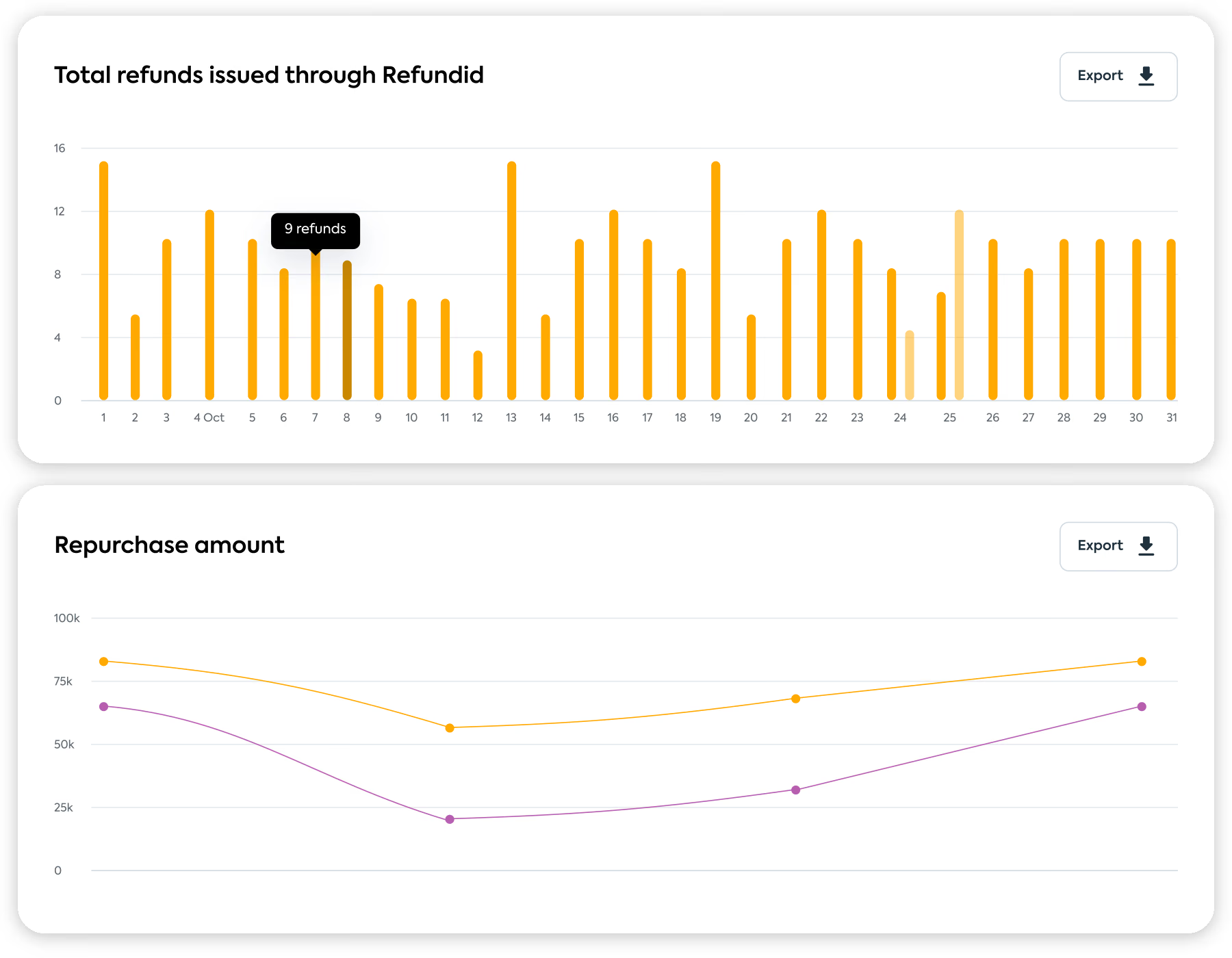
Best enterprise returns management software for large retailers
A practical guide to enterprise returns management, highlighting why Refundid stands out with instant refunds, automation, and seamless integrations built for high-volume retail at scale.
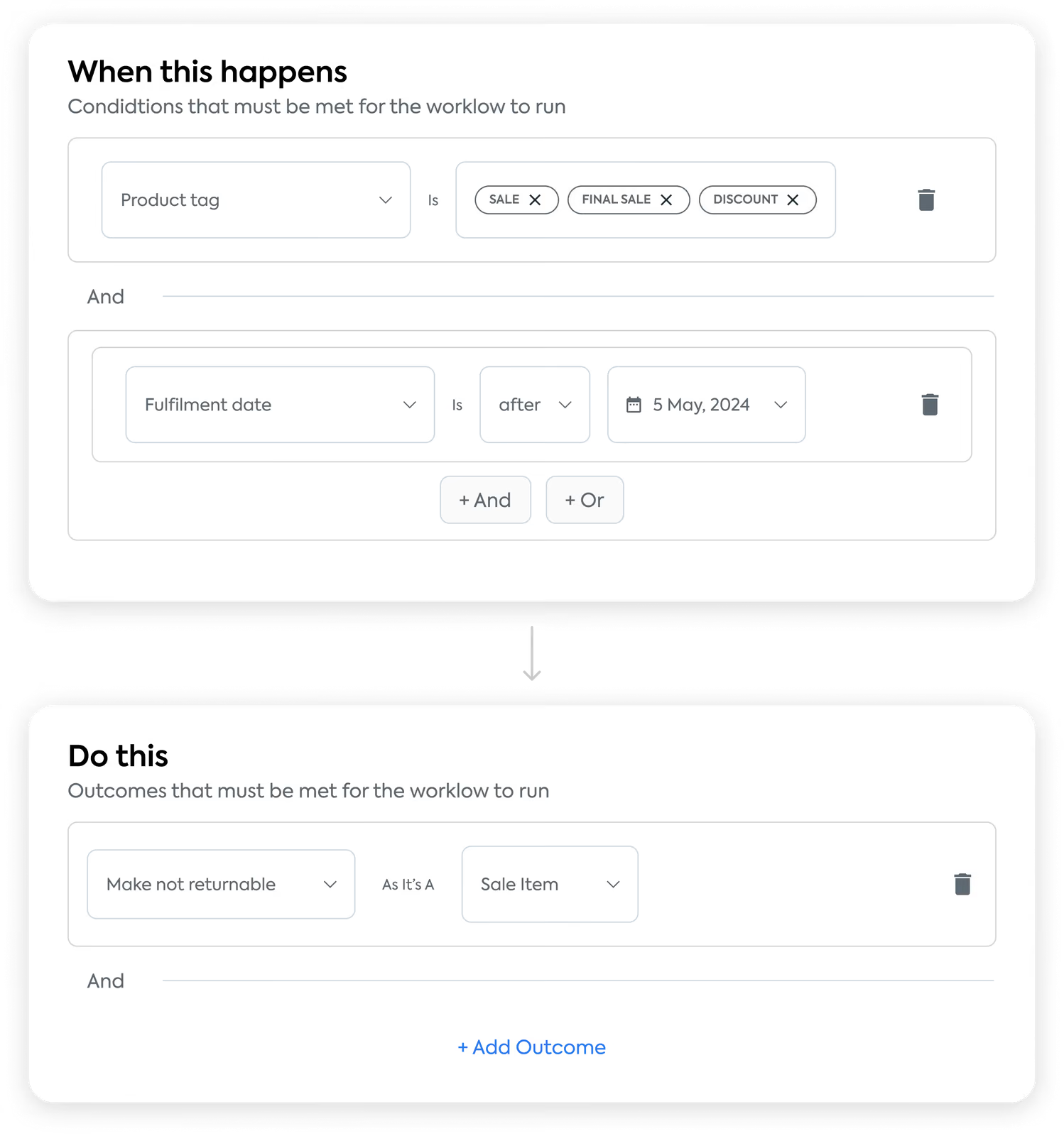
How returns automation can help your business grow
Returns automation helps ecommerce businesses grow by improving efficiency, increasing customer lifetime value, and retaining revenue. This blog explains how tools like Refundid streamline returns, reduce manual work, and create a smoother experience that drives repeat purchases.

A guide to improving return management in fashion ecommerce
Fashion ecommerce returns are complex, but the right strategy makes a big difference. This blog covers clear policies, easy processes, and data insights, plus how tools like Refundid help reduce returns, save time, and improve customer experience.
How can e-commerce businesses improve return efficiency with automation tools
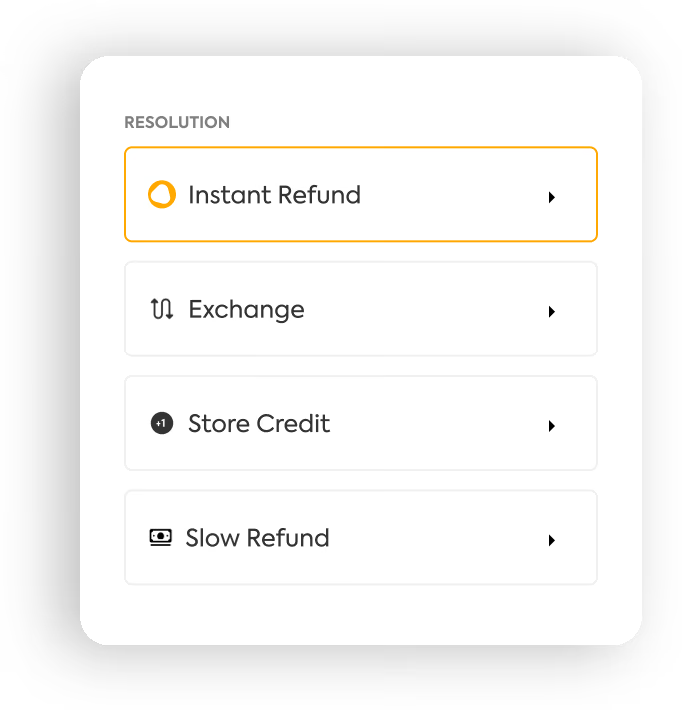
Ecommerce returns are high, but automation can fix the chaos. This blog covers how tools like Refundid streamline returns, reduce manual work, improve customer experience, and turn returns into a smarter, more efficient process.
How to reduce return processing costs for my business
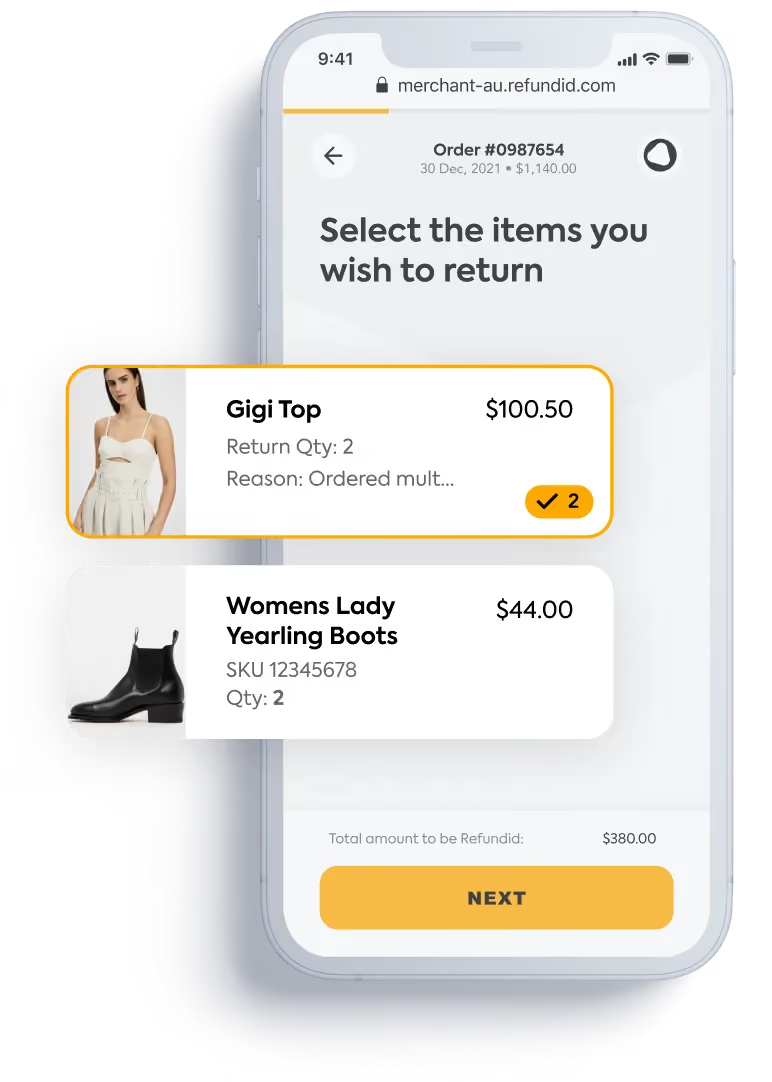
Returns can drain profits if poorly managed. Reduce volumes with clearer product information, better quality control, and strong packaging. Streamline processing through automation and self-service tools like Refundid, adjust policies to encourage exchanges, and use data insights to lower costs while improving customer experience.

Best practices for e-commerce returns handling
With return rates reaching 30%, strong ecommerce return practices are essential. Clear policies, self-service portals, instant refunds, flexible outcomes, automated communication, and reducing preventable returns improve customer experience, build trust, and protect long-term revenue while keeping operations efficient.
How to automate Shopify returns processing?
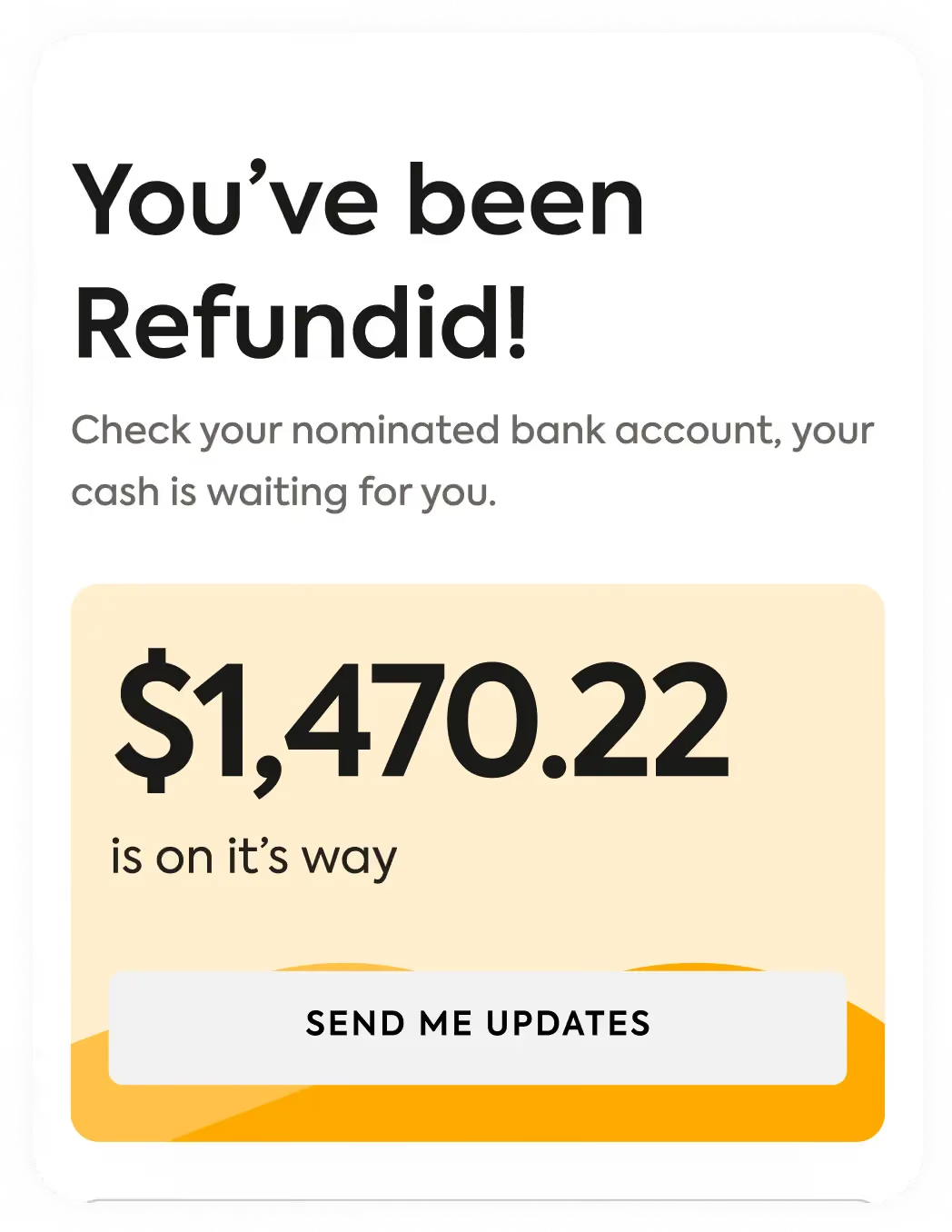
Automating Shopify returns reduces manual admin, improves customer experience, and speeds up refunds. Using Shopify’s self-serve tools or platforms like Refundid helps streamline requests, apply rules, issue refunds faster, and generate insights that improve operations and customer satisfaction.
Top return management platforms for US retailers
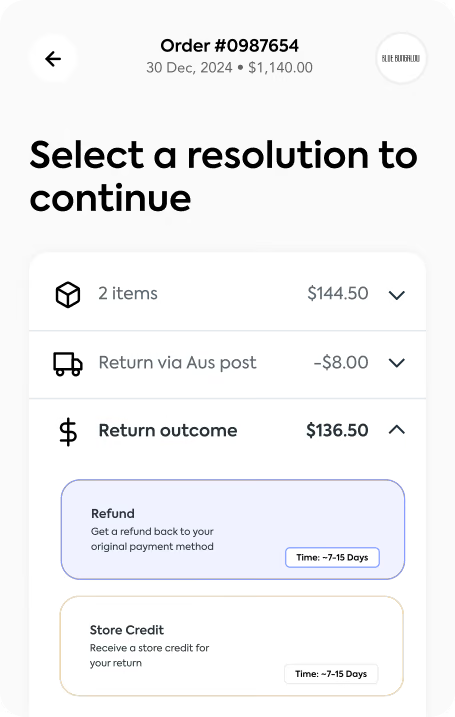
High online return rates make returns management critical. This guide compares leading ecommerce returns software and explains why platforms like Refundid help boost efficiency, retain revenue, and keep customers satisfied.
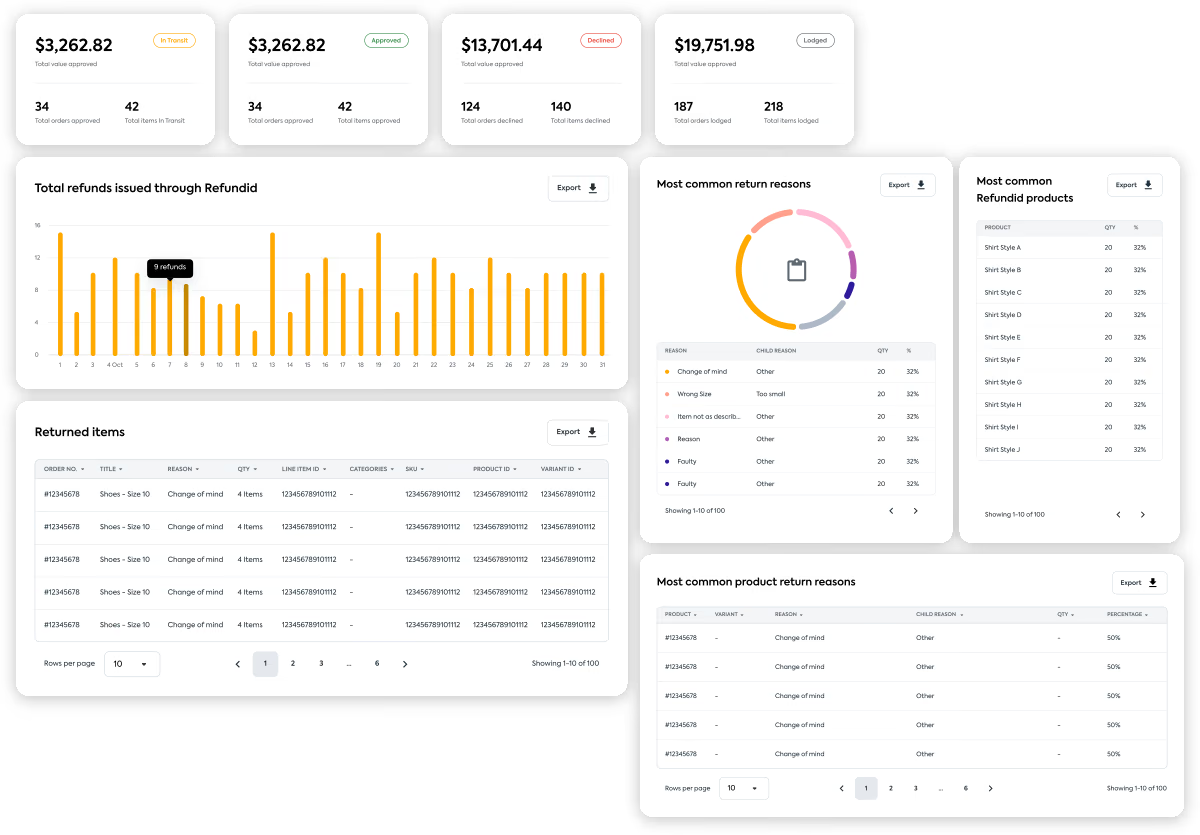
Real-time tracking solutions for ecommerce returns
This article explains how real-time tracking streamlines ecommerce returns and why solutions like Refundid improve visibility, efficiency, and customer trust for Australian online retailers.
Transfer pricing for US returns: what retailers need to know
U.S. tariff changes mean returns now require accurate transfer pricing, creating new tax and compliance risks for international retailers. Refundid automates this by applying Shopify transfer prices to every return, ensuring correct customs declarations, avoiding penalties, and keeping cross-border returns simple and compliant.
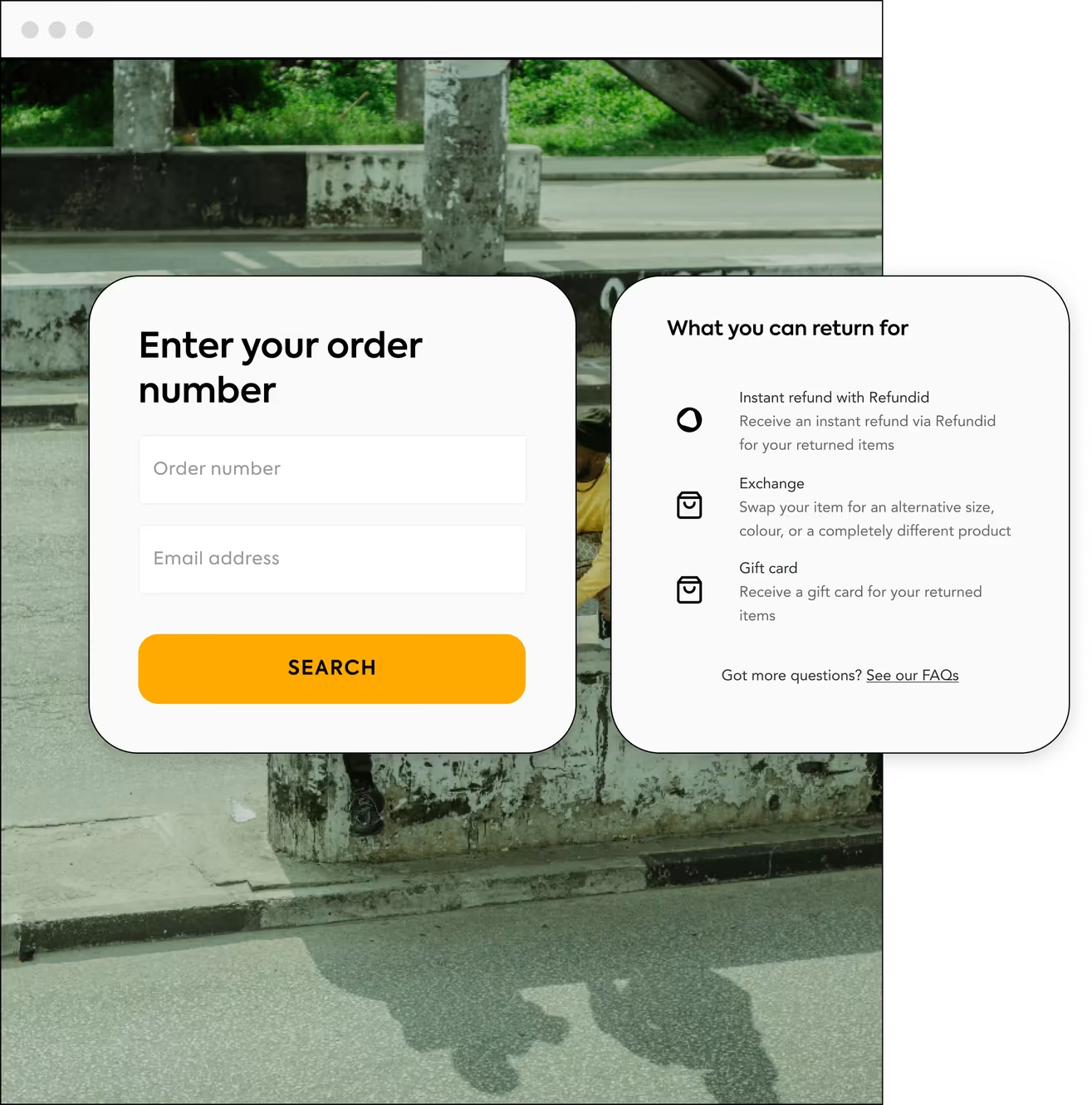
What is returns management? Process, features and best practices
Returns management is how a retailer handles a return, from request to refund or exchange. See how the process works and the features a platform should have.
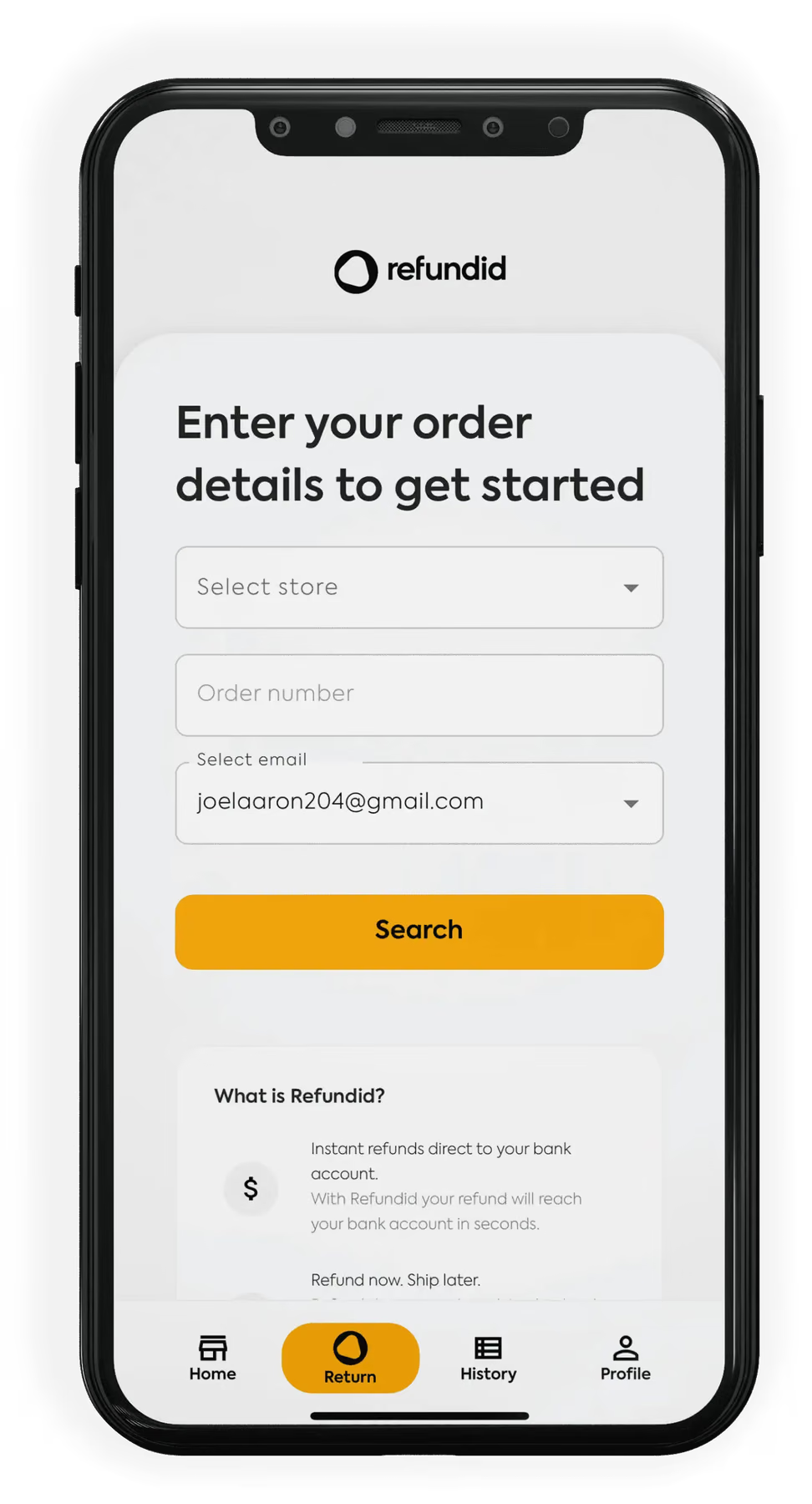
How to improve customer satisfaction with returns process
A smooth return process builds trust and keeps customers loyal. Make returns easy, communicate clearly, and issue fast refunds with automation tools like Refundid. By reducing friction and turning returns into a positive experience, you improve satisfaction, cut errors, and bring shoppers back.

Automated returns: how to automate refund processing for online stores
Automated returns take the manual work out of refunds and exchanges. Here's how to set up automated returns processing for your online store, step by step.

How to offer immediate product exchanges to customers
Immediate exchanges give customers a smoother experience, build loyalty, and even help reduce returns. By making it quick and easy to swap items, you turn a potential frustration into a positive moment for your customer.

Best way to process quick refunds for customers
Slow refunds hurt loyalty. Fast refunds set you apart. With Refundid, you can offer instant refunds and see customers repurchase up to three times faster. The key is a simple, quick, transparent process — and here’s how to make it happen.
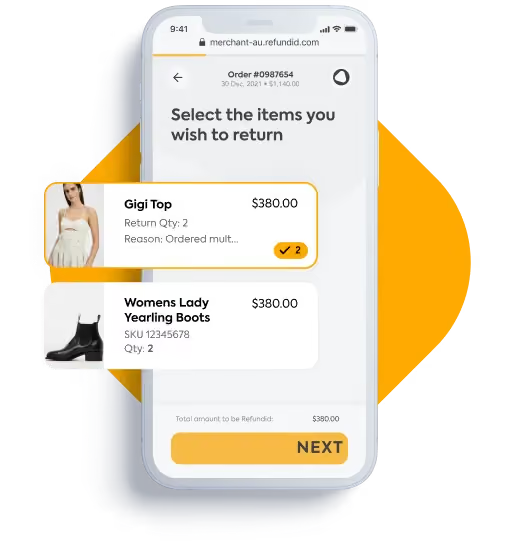
Best returns management system for Australian e-commerce
We’ve rounded up the best product returns management software to help you streamline your returns process, cut friction, and keep more customers coming back.
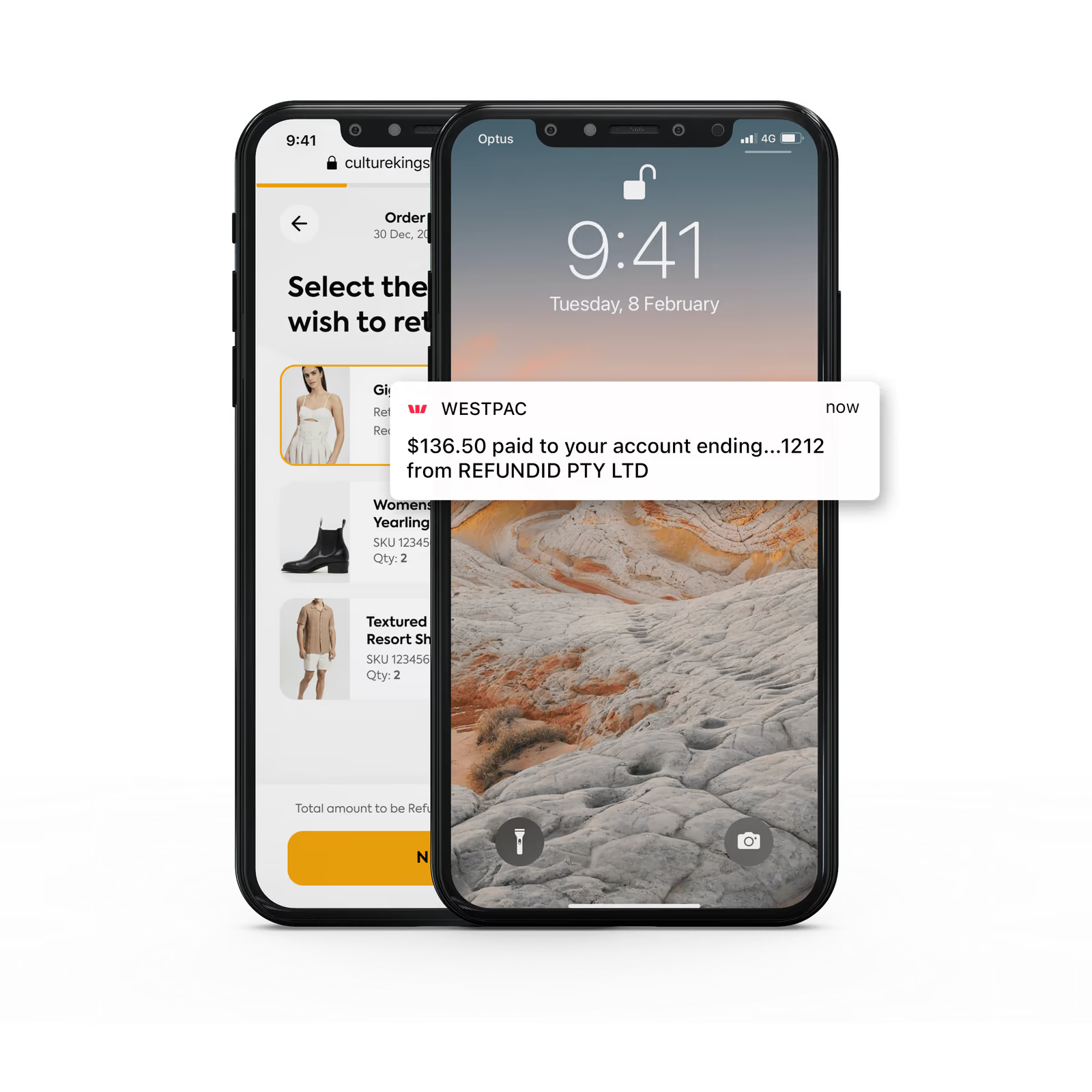
Compare e-commerce return integrations for Australian businesses
We break down how four major ecommerce platforms — Shopify, BigCommerce, WooCommerce and Magento — compare on returns, so you know exactly what you’re getting before choosing the best platform for your store.
Top 6 Shopify Returns Apps in 2026
In this guide, we’re taking a look at the top 6 Shopify returns apps in 2026. We’ll break down what makes each one unique, who they’re best for, and how they can help your store save time, reduce headaches, and even boost revenue.
Shopify Returns App vs Shopify Native Returns: What Growing Brands Need to Know
Compare Shopify’s native returns with a full returns app. See where Shopify’s tool works, where it falls short, and when brands should upgrade to Refundid.

How to integrate a returns portal with your existing systems in 2026
Learn how to integrate a returns portal with Shopify, your OMS, ERP, and loyalty tools. Covers exchanges, refunds, branded portals, and APIs, with a step-by-step setup guide.

Ecommerce returns analytics: what to track and how to use it
What ecommerce returns analytics should track: return rates by product, return reasons, exchange rates and repurchase data, and how to use them to cut returns.

How returns drive customer satisfaction, loyalty and repeat purchases
How the returns experience drives customer satisfaction, loyalty and repeat purchases, and the tools that turn returns into exchanges and second orders.

How to reduce returns and lower your ecommerce return rate
How to reduce returns without a stricter policy: track return reasons, fix fit and product pages, use return rules for the exceptions, and steer refunds toward exchanges.

How to Do Shopify Returns (Without Overengineering)
Shopify returns don’t need to be complicated. Start small with Shopify’s free Self-Serve Returns, then upgrade to a full returns platform when your volume and customer needs demand it. Here’s how to keep things simple until you’re ready to scale.
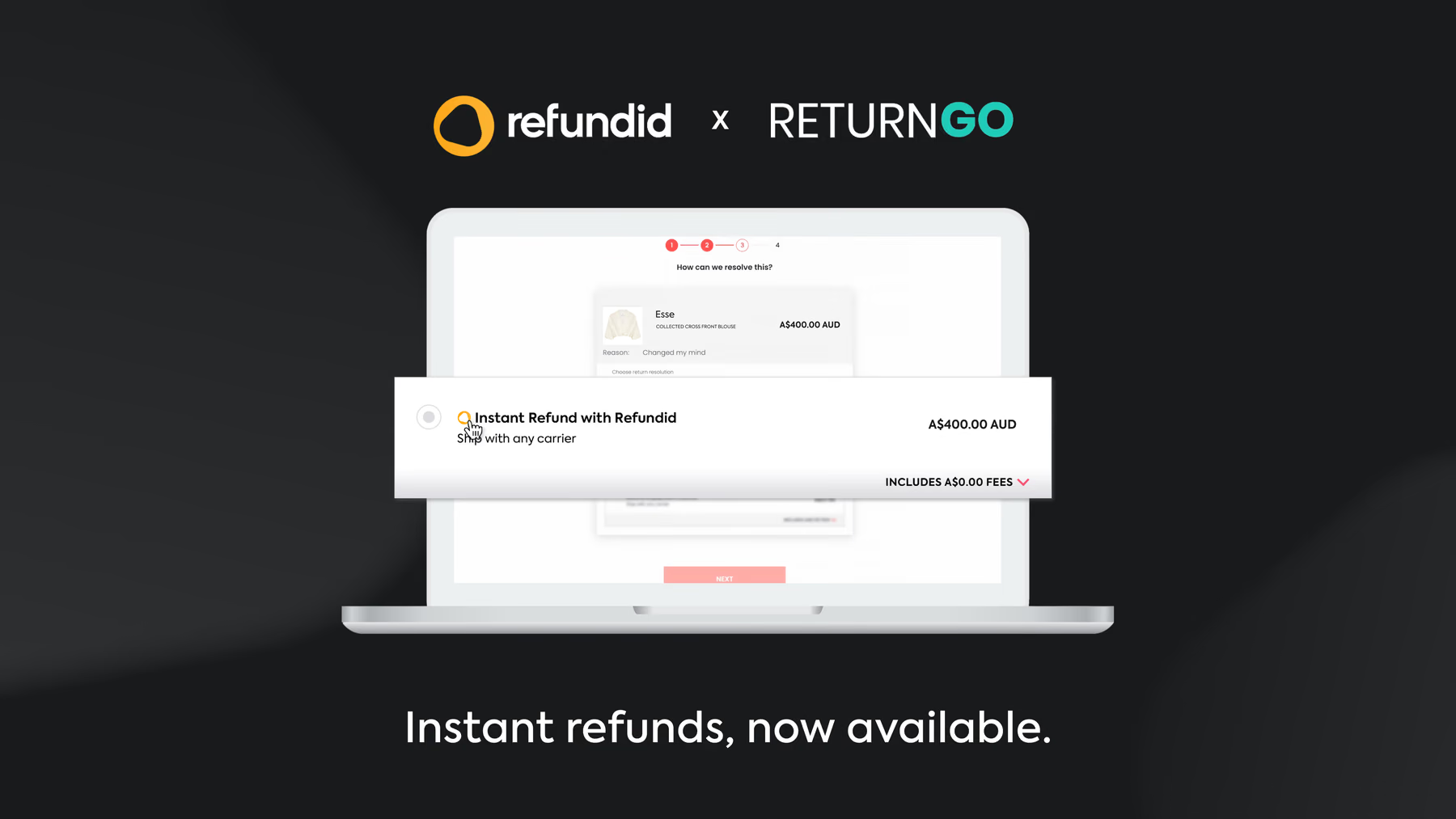
Refundid | ReturnGO Integration
Partnership Announcement: ReturnGO partners can now offer their customers the option of receiving an instant refund with Refundid.