


.avif)




Key takeaways
- The cheapest return is one that never happens, so cut volume with clear product descriptions, multi-angle images, videos, reviews, quality control and protective packaging.
- Automate returns with a self-service portal for requests, labels and tracking, and encourage exchanges over full refunds so revenue stays in your store.
- Track which products come back most and why, then fix the cause, for example updating size charts or photos for items returned for fit.
Returns can quietly eat into your profits if they’re not managed carefully. Many businesses focus on sales, but the real cost often comes after the purchase, when items come back. By finding smarter ways to handle returns, you can cut processing costs, reduce wasted time, and keep customers happy, all without adding extra work for your team.
Here’s how.
1. Reduce the number of returns
The first and simplest way to cut costs is to lower the number of returns. Many returns happen because customers didn’t get exactly what they expected. Clear product descriptions help customers understand exactly what they’re buying. Include information on size, materials, colour options, and any special features.
High-quality images from multiple angles make a big difference and videos showing how a product works or how it looks in real life can prevent further surprises. User-generated reviews and ratings also help shoppers know what to expect. When customers can see how a product fits or performs in real life, they are less likely to return it.
2. Focus on product quality and packaging
Returns aren’t always about the wrong size or a change of mind. Sometimes items are returned because they arrive damaged or are faulty. Improving quality control before shipping can prevent many returns. Carefully packaging items to protect them during transit is another way to reduce damage-related returns. This simple step can save a lot on refund processing service fees.
3. Fine-tune your returns process
How you handle returns can have a big impact on costs. Manual returns processing takes time, is prone to mistakes, and increases your workload. Automation can really help. Platforms like Refundid make the process smoother for both your customers and your team.
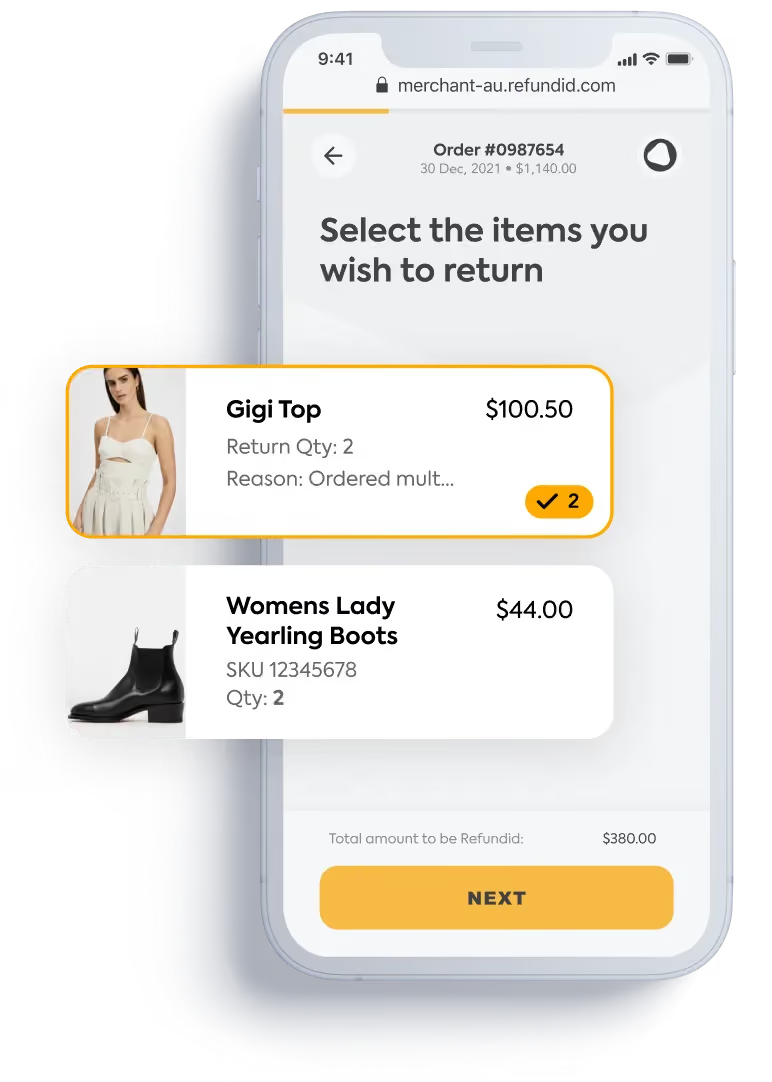
Refundid allows customers to submit return requests, select items for refund or exchange, and print prepaid shipping labels. Once a return is approved, refunds can even be issued instantly, sometimes before the item is returned. This eliminates extra manual steps, reduces errors, and speeds up the process. At the same time, customers appreciate the fast, simple experience.
4. Adjust your return policies
Your return policy plays a key role in managing costs. Offering exchanges instead of full refunds keeps revenue in your store while still satisfying the customer. Shorter return windows also reduce the chance of items coming back late or damaged.
Make your policy simple, easy to find, and clear to read. Customers who understand the rules are less likely to get frustrated or contact support, saving your team time and reducing support costs. Clear policies also help customers feel confident shopping with you, which can indirectly reduce returns.
5. Use data to learn
Analysing return patterns is another way to reduce costs. Understanding which products are returned most often, and why, helps you make informed improvements. For example, if a particular item has a high return rate due to sizing issues, you can update your sizing charts or add more photos.
Tracking return data over time allows you to see trends and make changes that prevent repeat returns. You can identify patterns by product, category, or fulfilment method, helping you reduce both the volume of returns and the associated return processing fees.

6. Encourage customer control
Giving customers a sense of control over the return process also helps. Tools like Refundid provide a self-service portal where shoppers can manage their returns without contacting support. This reduces workload for your team and gives customers a smooth experience. Customers can request refunds, exchanges, or even track their return status in real-time.
Shoppers can receive their money in under 30 seconds, even before returning the item. This not only keeps customers happy but can also encourage them to shop again, while Refundid handles all the risk for you.
Returns are here to stay, but they don’t need to cost your business an arm and a leg. Reducing return volumes with clear product information, detailed images, and genuine reviews is a good place to start. Making sure that products are high quality and carefully packaged can prevent many returns caused by damage.
Using automation and self-service tools like Refundid makes the returns process faster and easier and adjusting policies to encourage exchanges can also reduce return processing costs.
By combining these approaches, businesses can lower return processing costs and create an overall smoother experience for customers.


